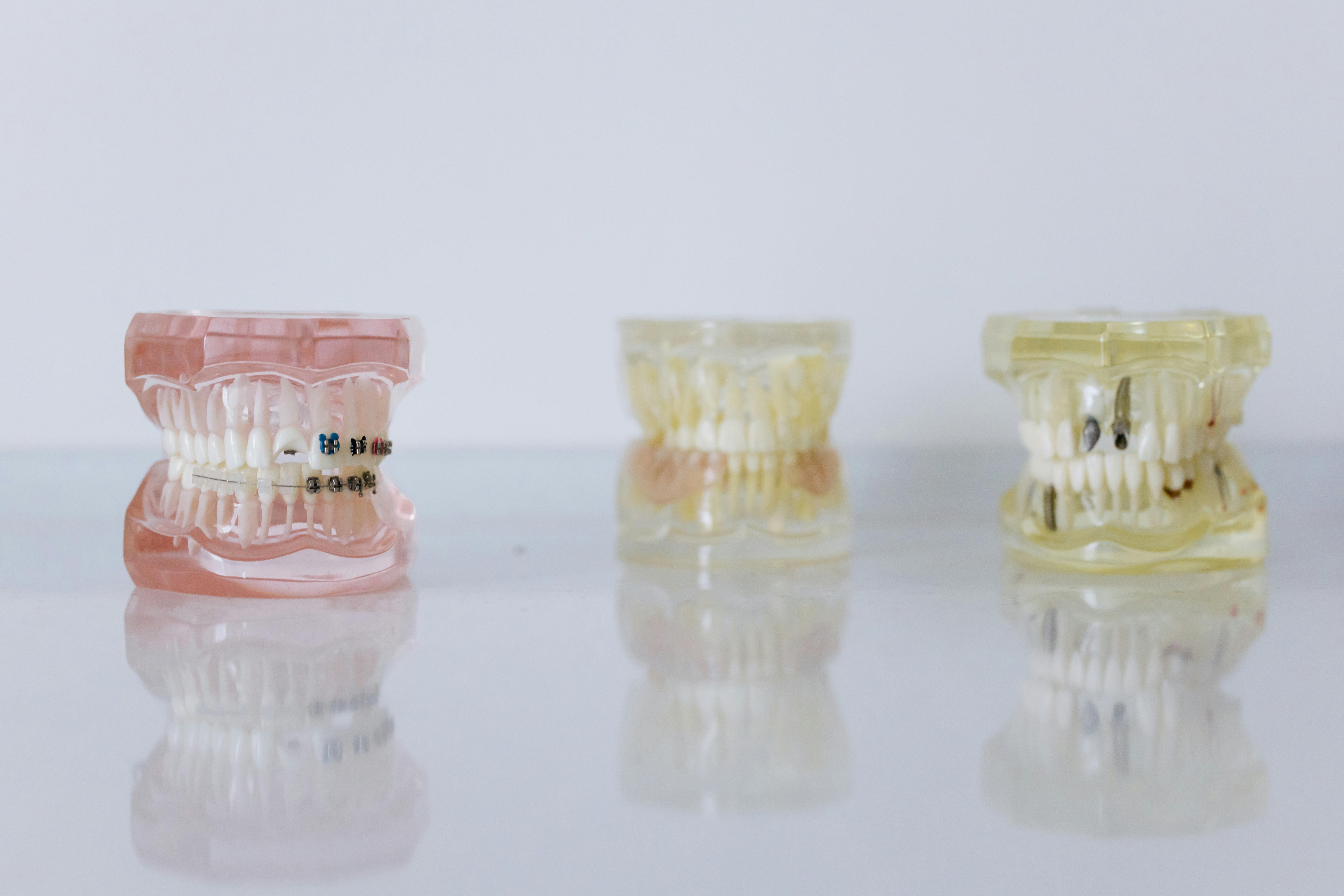
In the ever-evolving field of dentistry, implant-supported dentures have emerged as a modern, effective solution for individuals facing the challenges of missing teeth. Combining the stability of dental implants with the practicality of traditional dentures, this innovative approach offers numerous benefits, enhancing both function and aesthetics. As more people seek reliable and lasting solutions to tooth loss, understanding the advantages and processes involved in implant-supported dentures becomes crucial.
What Are Implant Supported Dentures?
Implant-supported dentures are a type of overdenture that is secured by and attached to dental implants. Unlike traditional dentures that rest on the gums and may require adhesives, these dentures are anchored firmly in place, providing a more stable and comfortable fit. This method involves surgically placing implants into the jawbone, which then act as roots to hold the dentures.
Benefits of Implant Supported Dentures
Choosing implant-supported dentures offers a range of advantages, making them an appealing option for many:
- Enhanced Stability: The implants provide a strong foundation, preventing the dentures from slipping or shifting, which is a common issue with traditional dentures.
- Improved Speech and Comfort: With a secure fit, users often experience better pronunciation and comfort, enhancing overall communication and quality of life.
- Preservation of Jawbone: Implants stimulate the jawbone, helping to prevent bone loss that typically occurs after tooth loss.
- Long-Term Solution: With proper care, implant-supported dentures can be a durable, long-term solution, reducing the need for frequent replacements.
The Process of Getting Implant Supported Dentures
The journey to obtaining implant-supported dentures involves several steps, each crucial to achieving the desired outcome. Understanding these stages can help individuals prepare for the process:
- Initial Consultation: A comprehensive dental examination is conducted to assess the suitability of implant-supported dentures for the patient.
- Implant Placement: Dental implants are surgically positioned in the jawbone, where they will eventually fuse with the bone over a few months.
- Abutment Placement: After the implants have integrated with the jawbone, abutments are attached to connect the implants with the dentures.
- Denture Attachment: Finally, custom-made dentures are secured onto the abutments, completing the process.
For more detailed guidance on each step, explore advanced guides and tips.
Candidates for Implant Supported Dentures
While implant-supported dentures offer numerous benefits, they may not be ideal for everyone. Suitable candidates typically include individuals who:
- Have one or more missing teeth.
- Possess adequate jawbone density to support implants.
- Maintain good oral hygiene practices.
- Do not have health conditions that could impair healing post-surgery.
Additional insights and tailored solutions for specific dental needs can be learned about here.
Maintaining Implant Supported Dentures
Proper maintenance of implant-supported dentures is essential to ensure their longevity and effectiveness. Key practices include:
- Regular brushing and flossing to maintain oral hygiene.
- Routine dental check-ups to monitor the condition of implants and dentures.
- Adhering to any specific care instructions provided by dental professionals.
For expert strategies on maintaining oral health with dentures, discover expert strategies here.
Conclusion
Implant-supported dentures represent a significant advancement in dental technology, offering a reliable and aesthetically pleasing solution for those dealing with tooth loss. By combining the benefits of implants with the convenience of dentures, this method not only enhances the appearance but also improves functionality and comfort for users. To find out more about this approach and explore personalized solutions, consulting with experienced dental professionals is recommended.