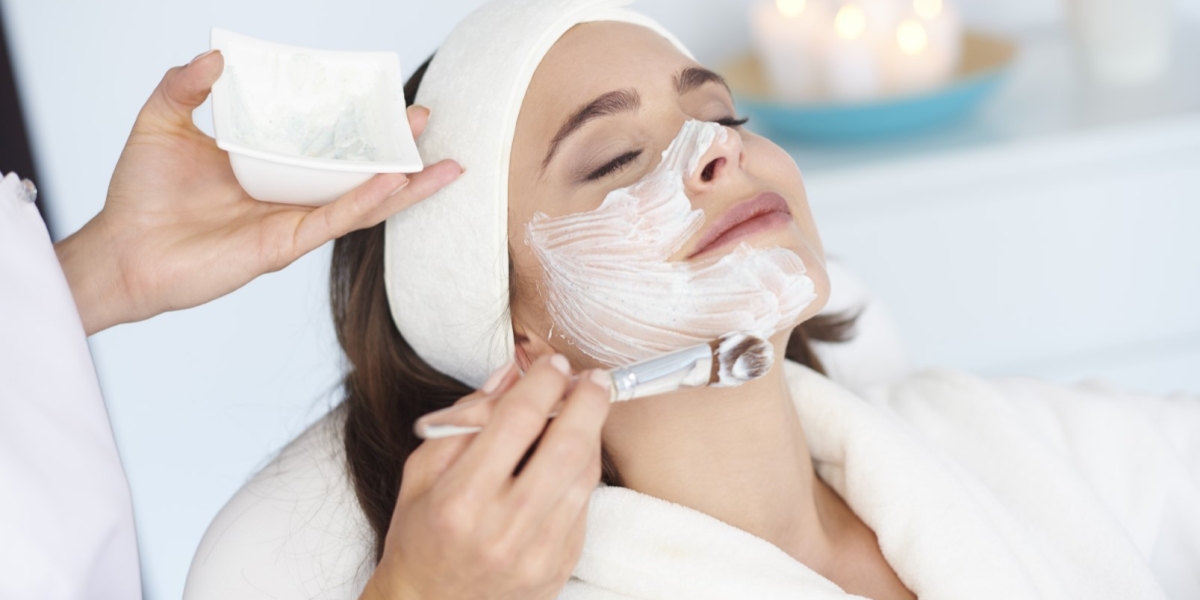
In the quest for radiant and flawless skin, chemical peel treatments have emerged as a popular and effective solution. This non-invasive procedure utilizes a chemical solution to exfoliate and rejuvenate the skin, offering a fresh and glowing complexion. With a variety of peels available, each designed to target specific skin concerns, individuals can achieve remarkable results tailored to their needs. Whether addressing fine lines, acne, or uneven skin tone, chemical peels provide a versatile option for enhancing skin health and appearance.
Understanding Chemical Peels
Chemical peels involve the application of a chemical solution to the skin, promoting the exfoliation of dead skin cells and stimulating new cell growth. This process reveals fresher, smoother skin beneath, addressing a range of dermatological issues.
Types of Chemical Peels
- Superficial Peels: These are mild peels that use alpha-hydroxy acids (AHAs) or other mild acids to gently exfoliate the outer layer of the skin. Ideal for improving the appearance of mild skin discoloration and rough skin.
- Medium Peels: Utilizing trichloroacetic or glycolic acid, medium peels penetrate the outer and middle layers of the skin to remove damaged skin cells. They are effective in improving age spots, fine lines, and moderate skin discoloration.
- Deep Peels: These peels use phenol or trichloroacetic acid to deeply penetrate the middle layer of the skin, removing damaged skin cells. They are suitable for treating deeper wrinkles, scars, or precancerous growths.
For a comprehensive understanding of these treatments, discover expert strategies here.
Benefits of Chemical Peel Treatments
Chemical peels offer a multitude of benefits, making them a sought-after choice in skin rejuvenation:
- Improved Skin Texture: By removing the outer layers of dead skin, peels enhance skin texture and smoothness.
- Anti-Aging: Regular peels can diminish the appearance of fine lines, wrinkles, and age spots, promoting a youthful complexion.
- Acne and Scar Reduction: Chemical peels can effectively treat acne and reduce the appearance of acne scars.
- Even Skin Tone: Peels can lighten areas of hyperpigmentation, resulting in a more even skin tone.
For more tailored solutions to these skin concerns, learn about our tailored solutions.
Preparing for a Chemical Peel
Proper preparation is essential to maximize the benefits of a chemical peel treatment. Here are some steps that are generally recommended:
- Consultation: A professional consultation ensures that the chosen peel is suitable for your skin type and concerns.
- Pre-Peel Skincare: Certain products, such as retinoids, may be adjusted or paused before treatment to avoid irritation.
- Sun Protection: Adequate sun protection is crucial before and after a peel to protect the skin from damage.
For more pre-treatment advice, explore advanced guides and tips.
Post-Treatment Care
Post-peel care is vital to ensure optimal results and quick recovery:
- Gentle Skincare: Use gentle, hydrating products to soothe the skin as it heals.
- Moisturization: Keeping the skin well-moisturized aids the healing process and prevents peeling.
- Sun Avoidance: UV exposure can harm newly treated skin, so wearing sunscreen and avoiding direct sunlight is essential.
To ensure the best outcomes, find out more about this approach.
In conclusion, chemical peel treatments offer a promising avenue for individuals seeking to enhance their skin’s appearance and health. With careful selection and expert guidance, these treatments can deliver impressive results, leaving skin rejuvenated and radiant. For those considering this approach, consulting with professionals and adhering to recommended care practices will ensure a successful and satisfying experience.