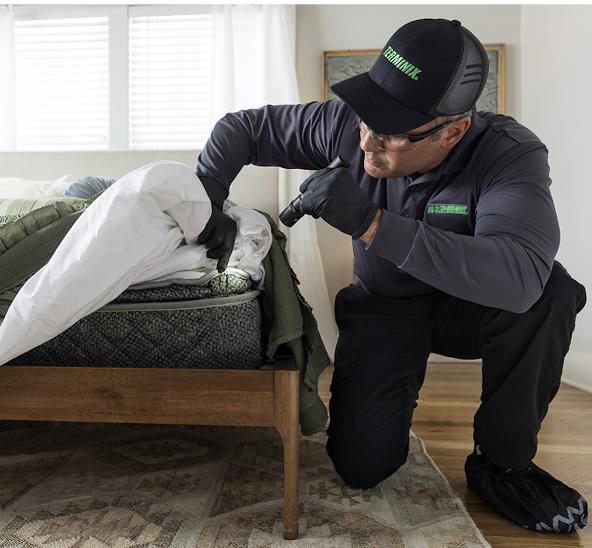
Bed bugs have long been known as one of the most challenging pests to eliminate. These small, elusive insects can cause significant discomfort and distress, making effective treatment crucial for maintaining a healthy home environment. Understanding the available options for fighting a bed bug infestation is critical. This article explores various treatment methods that homeowners can employ to tackle bed bug problems efficiently.
Understanding Bed Bug Behavior
Before delving into treatment solutions, it is essential to grasp the basic behavior and habits of bed bugs. These pests are nocturnal, feeding on human blood while their hosts are asleep. They are adept at hiding in small crevices, making them difficult to detect and eradicate. Identifying the presence of bed bugs early can significantly enhance the effectiveness of any treatment approach.
Non-Chemical Bed Bug Treatment Methods
For those seeking chemical-free solutions, several effective methods can be employed to manage bed bug infestations:
- Heat Treatment: Bed bugs cannot survive at high temperatures. Exposing affected areas to temperatures above 120?F can effectively kill bed bugs and their eggs. Professional services often use specialized equipment to target infested zones.
- Vacuuming: Regular vacuuming can remove bed bugs from surfaces. It is crucial to focus on seams, tufts, and edges of mattresses, as well as other hiding spots.
- Encasements: Mattress and box spring encasements trap bed bugs inside, preventing them from feeding and eventually killing them. These encasements also help in early detection.
Chemical Treatment Options
Chemical treatments can provide a more immediate solution to bed bug infestations. Here are some commonly used chemical approaches:
- Insecticides: Several types of insecticides are effective against bed bugs. These include pyrethroids, desiccants, and biochemicals. It is important to follow product instructions carefully to ensure safety and efficacy.
- Fumigation: Fumigation involves sealing off an area and filling it with gaseous pesticides. This method is usually a last resort but can eradicate bed bugs in severe infestations.
Integrated Pest Management (IPM) Approach
An Integrated Pest Management approach combines various strategies to control bed bugs effectively. This holistic method involves:
- Thorough inspection and monitoring of infested areas to assess the extent of the problem.
- Utilizing a combination of chemical and non-chemical treatments to maximize effectiveness.
- Implementing preventive measures to reduce the risk of future infestations.
Homeowners can achieve long-term success by employing a strategic bed bug treatment plan that incorporates multiple tactics.
Preventive Measures
Preventing future infestations is as important as treating existing ones. Here are some preventive tips:
- Regularly inspect secondhand furniture before bringing it into the home.
- Use protective covers on mattresses and box springs to prevent bed bugs from settling.
- Maintain cleanliness and reduce clutter to minimize hiding places for bed bugs.
- Be vigilant when traveling, as hotels and public transportation can be sources of bed bugs.
Conclusion
Effectively dealing with a bed bug infestation requires a comprehensive approach that combines understanding pest behavior, employing a mix of treatment methods, and taking preventive steps. By staying informed and proactive, homeowners can protect their living spaces from the discomfort and disruption caused by these persistent pests.