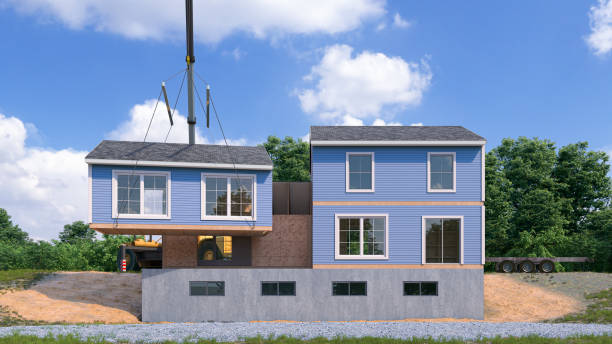
Homeowners often seek innovative solutions to expand their living spaces without the extensive costs and disruptions traditional renovations can entail. Second story modular home additions offer a compelling alternative, combining efficiency with modern design. These modular solutions are particularly appealing for those looking to maximize their home’s potential without encroaching on precious yard space. With advancements in modular construction, adding a second story has become a viable and attractive option for many.
Understanding Second Story Modular Home Additions
Modular home additions refer to prefabricated sections of a home that are constructed off-site and assembled on-site. This method has gained popularity due to its cost-effectiveness and minimal disruption compared to traditional construction methods. The process involves:
- Designing the module to match the existing structure.
- Fabricating the module in a controlled factory setting.
- Transporting the module to the home site.
- Installing and securing the module atop the existing structure.
Benefits of Modular Additions
Choosing a second story modular home addition offers numerous benefits:
- Speed and Efficiency: Modular additions are constructed off-site, allowing for simultaneous preparation of the existing home and the new module. This significantly reduces the overall project timeline.
- Cost-Effective: Factory construction minimizes material waste and reduces labor costs, making modular additions more budget-friendly.
- Minimal Disruption: With much of the work completed off-site, there is less noise and disruption to the homeowner’s daily life.
- Quality and Durability: Modules are built in a controlled environment, ensuring high-quality construction standards.
- Customization: Despite being prefabricated, modular additions can be tailored to meet specific design and functionality preferences.
Considerations Before Adding a Second Story
While the benefits are clear, there are several factors to consider before embarking on a modular addition project:
- Structural Integrity: Ensure that the existing structure can support an additional story. Consulting with a structural engineer is essential.
- Local Regulations and Permits: Verify zoning regulations and obtain necessary permits. Compliance with local building codes is crucial.
- Design Consistency: Ensure that the new addition harmonizes with the existing architectural style of the home.
- Budget Planning: Consider the full scope of costs, including design, materials, and installation.
The Future of Home Expansion
As urban areas grow and land becomes scarce, innovative solutions like second story modular additions become increasingly attractive. They offer a sustainable way to expand living spaces vertically rather than horizontally, preserving land while enhancing home value. Furthermore, their efficiency aligns with the growing demand for eco-friendly construction practices.
For homeowners seeking to enhance their living space without the extensive hassle of traditional renovations, modular additions provide a streamlined and efficient option. By understanding the process and considering all relevant factors, adding a second story can be a seamless and rewarding endeavor.