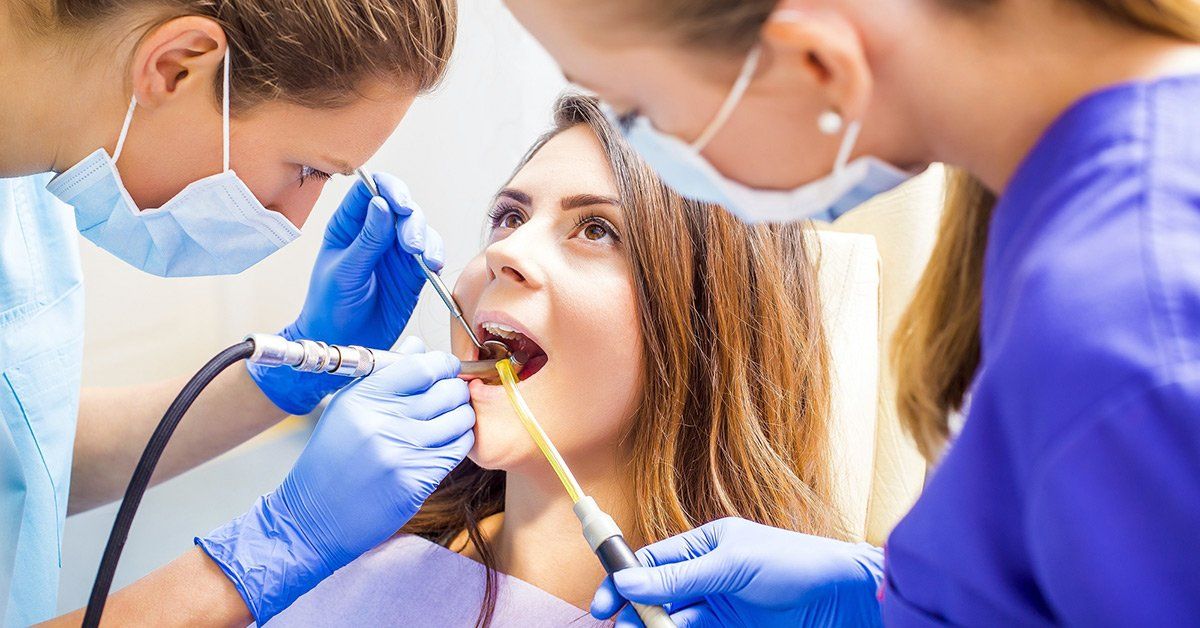
Preventive dental care is a cornerstone of maintaining optimal oral health throughout one’s life. By emphasizing routine check-ups and dental hygiene practices, individuals can prevent the onset of dental diseases, avoid complex dental procedures, and maintain a healthy smile. This approach not only improves oral health but also contributes to overall well-being. Understanding the key components and benefits of preventive dental care can empower individuals to make informed decisions about their oral health.
Understanding Preventive Dental Care
Preventive dental care involves practices that aim to keep teeth healthy and avert the onset of dental issues. These practices include regular dental check-ups, cleanings, and patient education on proper oral hygiene. By adopting preventive measures early, individuals can significantly reduce the risk of developing oral health problems such as cavities, gum disease, and enamel wear.
Components of Preventive Dental Care
Regular Dental Check-Ups
Consistent dental check-ups are vital for maintaining oral health. Dentists can identify early signs of dental issues and provide necessary interventions. Regular visits typically include:
- Comprehensive dental examinations
- Professional teeth cleaning
- Dental X-rays to detect hidden problems
Oral Hygiene Education
Educating patients on proper oral hygiene practices is a fundamental aspect of preventive care. This includes guidance on:
- Brushing techniques and frequency
- Flossing methods
- Use of mouthwash and other dental products
Fluoride Treatments and Sealants
Fluoride treatments and dental sealants are preventive measures that strengthen teeth and protect against decay. These treatments are especially beneficial for children and adolescents, helping to fortify their developing teeth.
The Benefits of Preventive Dental Care
Embracing preventive dental care offers numerous benefits that extend beyond oral health, including:
- Early Detection of Oral Diseases: Regular visits enable the early identification of potential issues, allowing for timely treatment and reducing the risk of severe complications.
- Cost-Effective: Preventive care is generally less expensive than treatment for advanced dental issues, making it a cost-effective approach to maintaining oral health.
- Improved Overall Health: Oral health is closely linked to overall health, with poor oral hygiene contributing to conditions such as heart disease and diabetes. Preventive care supports overall wellness.
Integrating Preventive Care into Daily Life
Incorporating preventive dental care into daily routines is essential for maintaining oral health. Simple practices such as brushing twice a day with fluoride toothpaste, flossing daily, and avoiding sugary foods can enhance dental health. Additionally, regular visits to the dentist for dentistry preventive care can ensure that any potential issues are addressed promptly.
Preventive dental care is a proactive approach to maintaining a healthy smile and overall well-being. By understanding its importance and incorporating recommended practices into daily life, individuals can enjoy the lasting benefits of a healthy mouth and a confident smile.