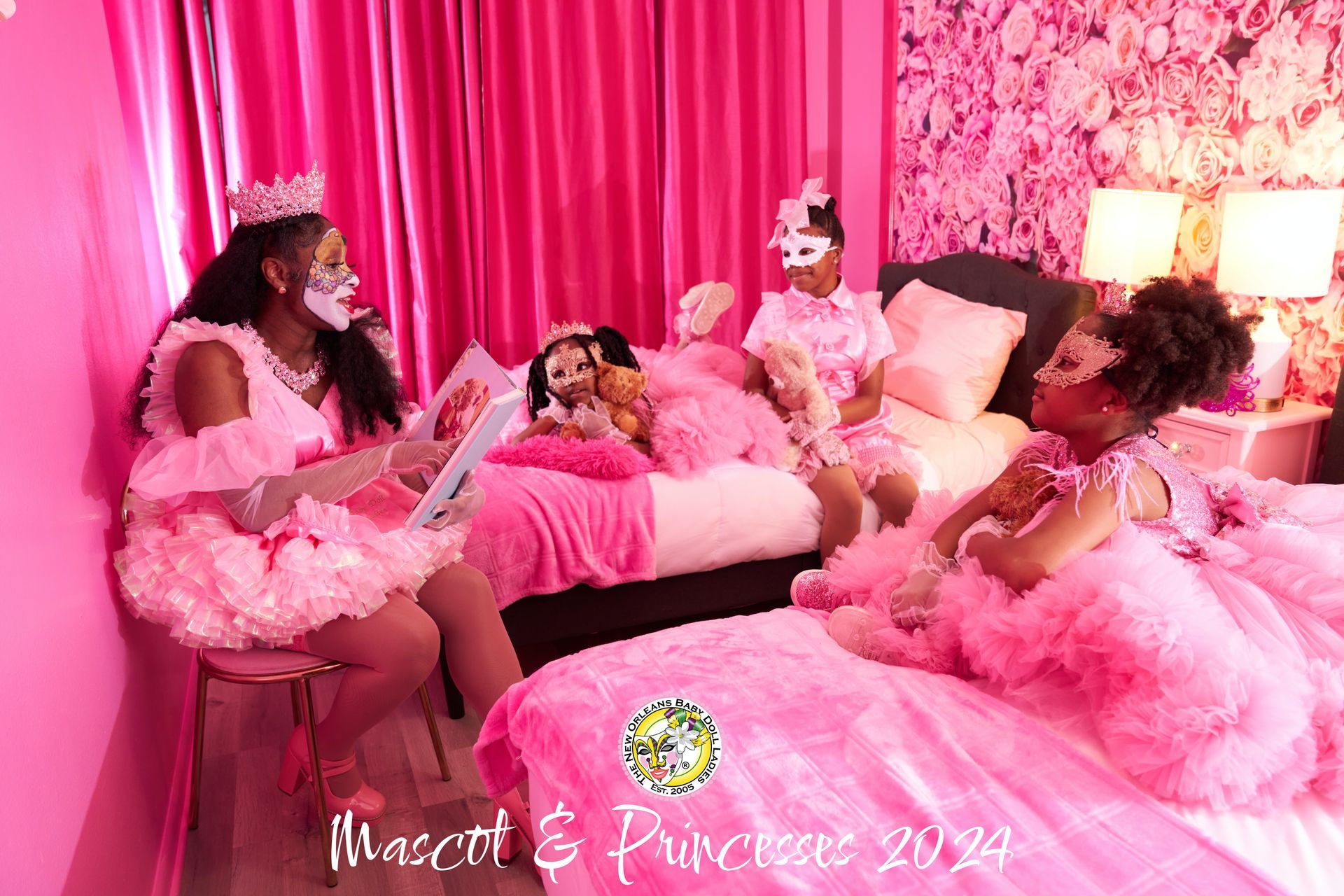
New Orleans is a city renowned for its vibrant culture, rich history, and unique traditions. Among its many cultural phenomena, the Baby Doll Ladies stand out as a fascinating aspect of its Mardi Gras celebrations. This captivating tradition, characterized by its distinct costumes and spirited performances, reflects the dynamic history and social evolution of New Orleans. By delving into the origins and contemporary significance of the Baby Doll Ladies, one gains a deeper appreciation for this enduring cultural expression.
The Origins of New Orleans Baby Doll Ladies
The tradition of the Baby Doll Ladies dates back to the early 20th century. Originating in the African American communities of New Orleans, this practice began as a form of social resistance and empowerment. During a time when Mardi Gras festivities were predominantly reserved for the city’s white population, African American women sought to create their own space within this cultural landscape.
Early Influences and Social Context
- The Baby Doll tradition emerged in the 1910s as a playful yet defiant response to racial and gender constraints.
- Women donned baby doll costumes, complete with frilly dresses and bonnets, to satirize societal perceptions of femininity and innocence.
- This practice was not only about entertainment but also served as a platform for African American women to express their individuality and challenge prevailing stereotypes.
For more detailed insights into the historical context and social impact of the Baby Doll tradition, find out more about this approach.
Evolution of the Baby Doll Tradition
Over the decades, the Baby Doll tradition has evolved, reflecting broader societal changes and the creative ingenuity of its participants. The tradition experienced a resurgence in the late 20th century, as cultural preservationists and enthusiasts sought to revive and celebrate its historical significance.
Key Developments in the Modern Era
- In the 1990s, renewed interest in traditional African American cultural practices led to a revival of the Baby Doll tradition.
- Contemporary Baby Doll groups incorporate modern elements, blending historical costumes with innovative performance styles.
- The tradition now includes diverse participants, embracing a wider range of cultural backgrounds and artistic expressions.
To explore advanced guides and tips on how the Baby Doll tradition has been adapted in modern times, learn about our tailored solutions.
Significance in Contemporary Culture
The Baby Doll Ladies continue to play a vital role in New Orleans’ cultural identity, serving as ambassadors of the city’s diverse heritage. Their presence at Mardi Gras and other cultural events symbolizes resilience, creativity, and community spirit.
Impact on Cultural Heritage and Community
- The Baby Doll tradition fosters a sense of community among participants, providing a platform for artistic expression and cultural exchange.
- It serves as a reminder of the city’s history and the ongoing struggle for racial and gender equality.
- Through performances and public appearances, Baby Doll Ladies keep the tradition alive, educating new generations about its historical and cultural significance.
For those interested in delving deeper into the cultural impact of the Baby Doll Ladies, discover expert strategies here.
Conclusion
The history of New Orleans Baby Doll Ladies is a testament to the city’s rich cultural tapestry. From their origins as a form of social resistance to their current status as cultural icons, the Baby Doll Ladies embody the spirit of New Orleans. By preserving and evolving this tradition, they ensure that the stories and struggles of past generations are not forgotten. As the Baby Doll Ladies continue to captivate audiences with their vibrant performances, they remind us of the power of art and culture to transcend boundaries and unite communities.
To learn more about the historical and cultural journey of the Baby Doll Ladies, explore advanced guides and tips.