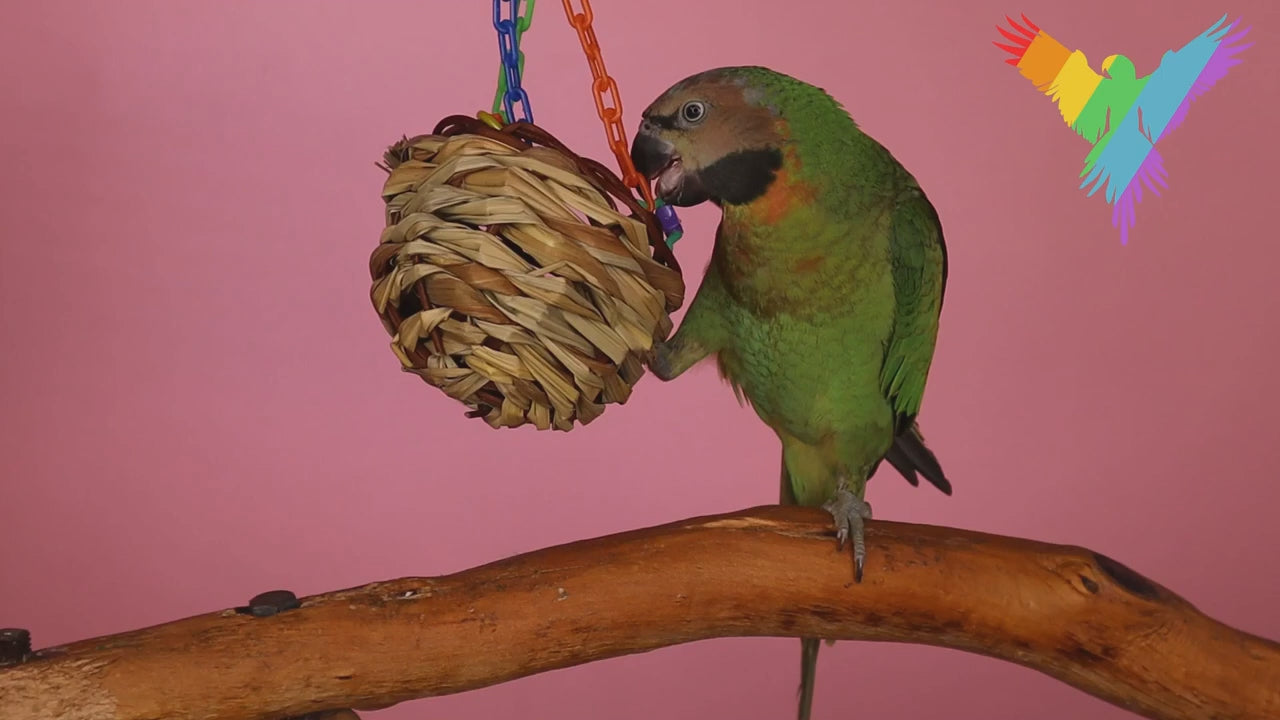
Parakeets, known for their vibrant plumage and cheerful personalities, require a balanced and nutritious diet to thrive. Proper nutrition is essential for their health, longevity, and overall well-being. Providing a diverse diet not only ensures they receive all necessary nutrients but also keeps them engaged and active. This article delves into the best dietary practices for parakeets, offering insights into maintaining their health through carefully selected food options.
Understanding Parakeet Nutrition
Parakeets, like other birds, need a diet rich in various nutrients. A well-rounded diet includes:
- Proteins for muscle development and energy.
- Vitamins and minerals for immune support and metabolic functions.
- Carbohydrates for sustained energy.
- Fats for skin and feather health.
Balancing these elements is key. Discover expert strategies here to ensure your parakeet’s diet is comprehensive and fulfilling.
Top Picks for Parakeet Nutrition
High-Quality Seeds
Seeds are a staple in a parakeet’s diet, providing essential fats and proteins. However, not all seeds are created equal:
- Opt for a mix that includes millet, canary seeds, and oat groats.
- Avoid seed-only diets as they can lead to nutrient deficiencies.
Using a mixed approach ensures your parakeet receives a broader spectrum of nutrients. Learn about our tailored solutions for choosing the right seed blend.
Fresh Fruits and Vegetables
Adding fresh produce to your parakeet’s diet is a great way to enhance their nutritional intake:
- Offer fruits like apples, pears, and berries in moderation.
- Vegetables such as spinach, carrots, and broccoli are excellent for vitamins and minerals.
- Avoid avocados, which are toxic to birds.
Incorporating a variety of fresh foods can prevent boredom and promote health. Explore advanced guides and tips to diversify your parakeet’s diet effectively.
Pellets: A Balanced Option
Pellets are specially formulated to provide a balanced diet for parakeets. They offer numerous benefits:
- Ensure a consistent intake of essential nutrients.
- Reduce the risk of selective feeding common with seeds.
- Available in various flavors to suit different preferences.
Transitioning to pellets should be gradual to allow your bird to adapt. Find out more about this approach and how to integrate pellets into your parakeet’s diet.
Supplementary Nutrition Tips
Beyond basic diet, consider these additional tips to optimize your parakeet’s health:
- Provide cuttlebones or mineral blocks for calcium and beak maintenance.
- Ensure access to clean, fresh water at all times.
- Regularly rotate food items to maintain interest and prevent dietary boredom.
Engaging with a variety of food options can lead to a happier, healthier parakeet. Explore advanced guides and tips to further enhance your pet’s dietary plan.
Conclusion
Feeding your parakeet a balanced diet is crucial for their continued health and vitality. By understanding their nutritional needs and providing a diverse array of food options, you can ensure they thrive in their environment. Consistent efforts to offer high-quality seeds, fresh produce, and balanced pellets will significantly benefit their well-being. For more detailed guidance, learn about our tailored solutions to parakeet nutrition.