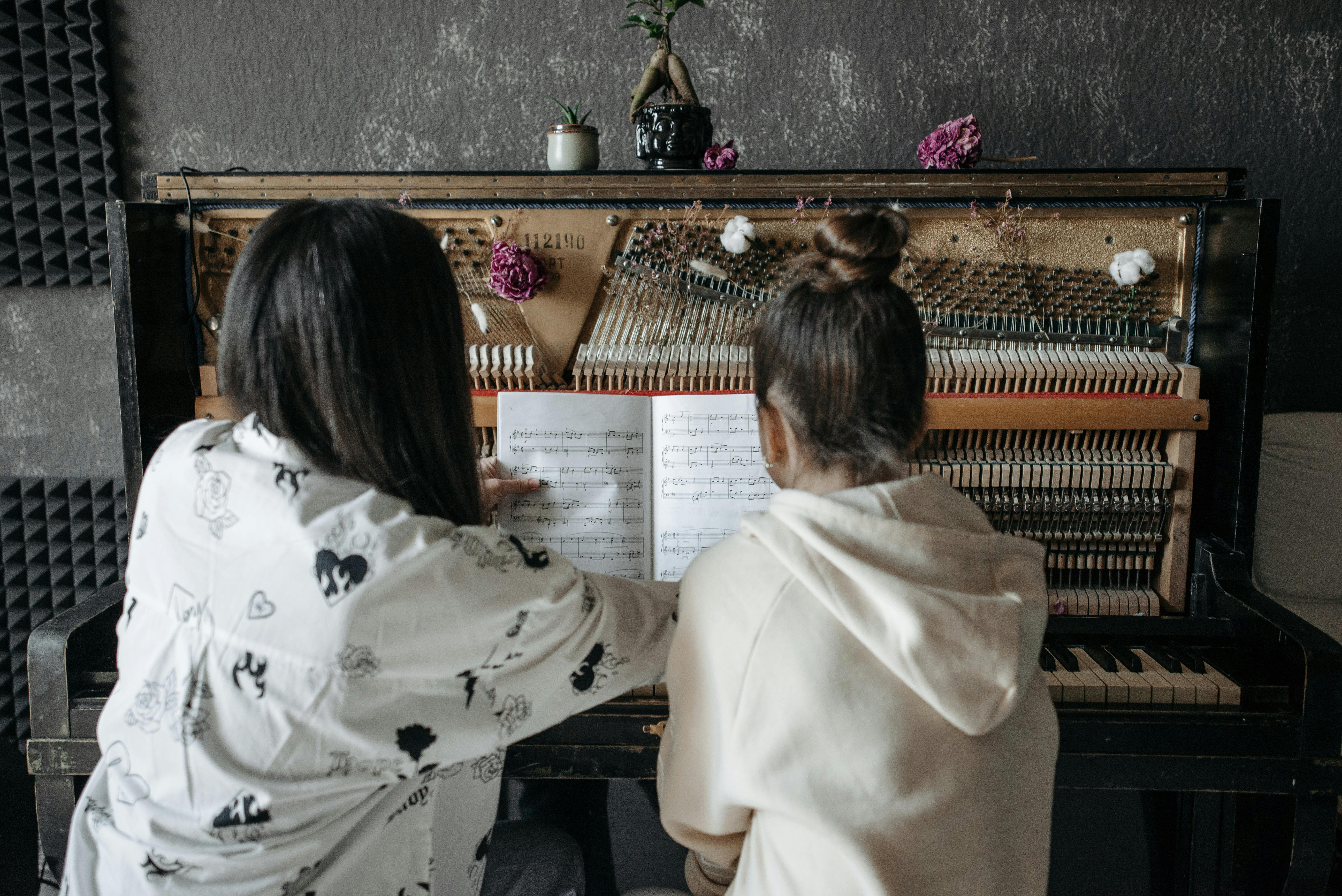
Music is a universal language that resonates with people of all ages, and it plays a crucial role in the early development of children. Introducing music to preschoolers can have a profound impact on their cognitive abilities, social skills, and emotional well-being. A structured preschool music program offers young learners the opportunity to explore melodies, rhythms, and instruments, laying the foundation for lifelong musical appreciation and skill-building.
The Importance of Music in Early Childhood Education
Music education during the preschool years is more than just an enjoyable activity; it’s an essential component of a comprehensive early childhood education. Research indicates that engaging with music can significantly enhance a child’s developmental progress in various areas:
- Cognitive Development: Music stimulates brain activity, enhances memory, and improves attention spans.
- Emotional Growth: Expressing emotions through music can help children develop empathy and self-regulation.
- Social Skills: Group music activities encourage teamwork, turn-taking, and communication.
- Physical Coordination: Playing instruments and dancing to music improve motor skills and hand-eye coordination.
For those seeking to incorporate music into a preschool curriculum, discover expert strategies here for crafting an engaging and impactful program.
Components of an Effective Preschool Music Program
Interactive Activities
Hands-on activities are the cornerstone of a successful music program. These activities should be designed to engage children actively and encourage exploration. Key elements include:
- Instrument Exploration: Allowing children to play a variety of instruments, such as drums, xylophones, and tambourines, fosters curiosity and creativity.
- Movement and Dance: Incorporating movement helps children connect physical activity with musical rhythms.
- Singing and Vocal Play: Singing simple songs and experimenting with sounds can enhance language development and confidence.
For further insights into developing these activities, learn about our tailored solutions to meet the diverse needs of young learners.
Structured Learning and Spontaneity
Balancing structure and spontaneity is vital in keeping children engaged. A well-structured program provides a framework within which children can explore their musical interests. This involves:
- Routine and Repetition: Establishing a consistent routine helps children anticipate and participate actively.
- Flexible Curriculum: Allowing room for spontaneity encourages creativity and responsiveness to children’s interests.
- Thematic Lessons: Using themes, such as animals or seasons, can make learning more relatable and enjoyable.
Explore advanced guides and tips on how to balance these elements effectively by visiting this resource.
Benefits of a Preschool Music Program
The benefits of implementing a structured music program in preschool settings are manifold. Not only do children enjoy the process of learning through music, but they also gain invaluable skills that extend beyond the classroom. These benefits include:
- Enhanced Academic Performance: Music education has been linked to improved performance in subjects like math and reading.
- Increased Creativity: Music encourages creative thinking and problem-solving abilities.
- Boosted Self-Esteem: Mastering an instrument or song can significantly boost a child’s confidence and self-worth.
For a deeper understanding of how music can transform early education, find out more about this approach and its long-term advantages.
Conclusion
Integrating a music program into preschool education is an investment in a child’s future. It nurtures a range of skills that are crucial not only for academic success but also for personal growth and social development. As educators and parents seek to create enriching learning environments, embracing music as a core element of early education can yield transformative results. For further guidance and resources, explore the comprehensive solutions available to enhance preschool music programs.