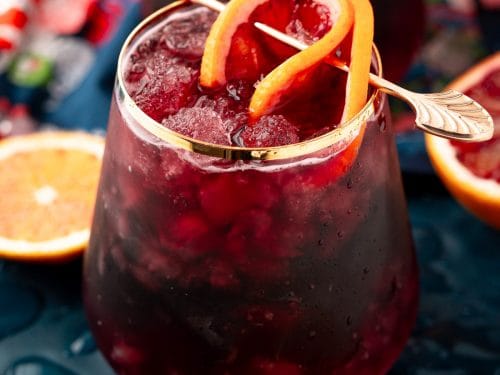
The world of wine is as vast as it is fascinating, offering a myriad of styles and flavors that cater to every palate. Among the intriguing varieties is skin contact orange wine, a unique style that has captured the attention of wine enthusiasts around the globe. This ancient winemaking technique results in a distinctive product that blends the characteristics of both red and white wine, offering a sensory experience unlike any other.
The Essence of Skin Contact Orange Wine
At its core, skin contact orange wine is made from white grapes, but it undergoes a process more commonly associated with red wines. Rather than pressing the juice off the skins immediately, the juice remains in contact with the grape skins for an extended period during fermentation. This process imparts a rich color, ranging from amber to deep orange, and a complex flavor profile.
The Historical Roots
The origins of orange wine can be traced back thousands of years to the regions of Georgia, where winemakers used buried clay vessels, known as qvevri, to ferment and age their wines. This traditional method has been passed down through generations and has seen a resurgence in popularity in recent years as modern winemakers explore these ancient techniques.
Characteristics of Orange Wine
- Color: The skin contact imparts a beautiful, captivating hue that can range from pale gold to a deep amber.
- Aroma: Expect aromatics that include dried apricot, honey, and nutty notes, along with floral undertones.
- Flavor Profile: The taste is often robust and complex, featuring a combination of fruitiness, tannin structure, and acidity.
- Texture: The presence of tannins gives orange wines a fuller body and a textural richness that white wines typically lack.
Food Pairing Suggestions
The bold flavors and tannic structure of skin contact orange wine make it an excellent companion to a variety of dishes. Here are some suggestions to enhance your dining experience:
- Cheese and Charcuterie: The wine’s acidity and tannins complement aged cheeses and cured meats beautifully.
- Spicy Cuisine: Its complexity can balance the heat and spice in dishes from Indian or Southeast Asian cuisines.
- Roasted Vegetables: The earthy notes in the wine pair well with roasted or grilled vegetables, enhancing their natural flavors.
Crafting Orange Wine: The Winemaker’s Approach
The art of crafting orange wine requires patience and a deep understanding of the winemaking process. Key steps include:
- Harvesting: Selecting the right time to harvest the grapes is crucial. The grapes must have perfect ripeness to achieve the desired flavor profile.
- Fermentation: The juice is left in contact with the skins for a specified duration, which can vary from days to several months, depending on the desired outcome.
- Aging: Once fermentation is complete, the wine is aged, often in neutral vessels, to allow the flavors to mature and integrate.
- Bottling: The final step, bottling requires careful handling to preserve the wine’s unique characteristics.
Exploring the World of Orange Wine
The resurgence of skin contact orange wine has inspired a new wave of winemakers to experiment with this ancient technique, resulting in a diverse array of styles for consumers to explore. Whether you’re a seasoned wine aficionado or a curious newcomer, diving into the world of orange wine offers a rewarding journey through flavor and history.
For those interested in adding a bottle of this intriguing wine to their collection, consider exploring options from various regions known for their distinctive styles. Each bottle promises a unique expression of the art of winemaking.