Acne is a common skin condition that affects millions of people worldwide, often causing discomfort and impacting self-esteem. Traditional treatments, such as topical creams and oral medications, can be effective, but they sometimes fall short for those experiencing persistent active acne. This is where laser treatment comes into play, offering a promising solution that targets the root causes of acne. This guide aims to provide an in-depth overview of laser treatment for active acne, exploring its benefits, how it works, and what to expect during the process.
Understanding Laser Treatment for Active Acne
Laser treatment for active acne is a medical procedure that uses focused light therapy to reduce the appearance of acne and prevent future breakouts. The laser targets the sebaceous glands beneath the skin, reducing oil production and killing acne-causing bacteria. This approach can be particularly effective for individuals who have not seen results with conventional treatments.
How It Works
- Laser devices emit a specific wavelength of light to penetrate the skin and reach the sebaceous glands.
- The heat from the laser reduces the activity of these glands, decreasing oil production.
- Lasers also target the P. acnes bacteria, a common cause of acne inflammation, thereby reducing infection.
- This process promotes healing and encourages the growth of new, healthy skin cells.
Benefits of Laser Treatment for Acne
Patients opting for laser treatment often experience a variety of benefits, including:
- Reduced Acne Lesions: Significant reduction in the number and severity of acne lesions.
- Minimal Side Effects: Compared to oral medications, laser treatments have fewer systemic side effects.
- Improved Skin Texture: The treatment can also improve the overall texture and tone of the skin.
- Quick Recovery Time: Most patients can resume normal activities shortly after treatment.
Preparing for Laser Treatment
Before undergoing Laser Active Acne Treatment, a consultation with a dermatologist or certified skincare professional is essential. This consultation will involve:
- Skin Assessment: Evaluating skin type, acne severity, and medical history.
- Setting Realistic Expectations: Discussing the potential outcomes and the number of sessions required.
- Pre-Treatment Instructions: Patients may be advised to avoid sun exposure and certain skincare products.
The Treatment Process
The laser treatment process is straightforward and typically involves the following steps:
- Cleansing: The skin is thoroughly cleaned to remove oils and dirt.
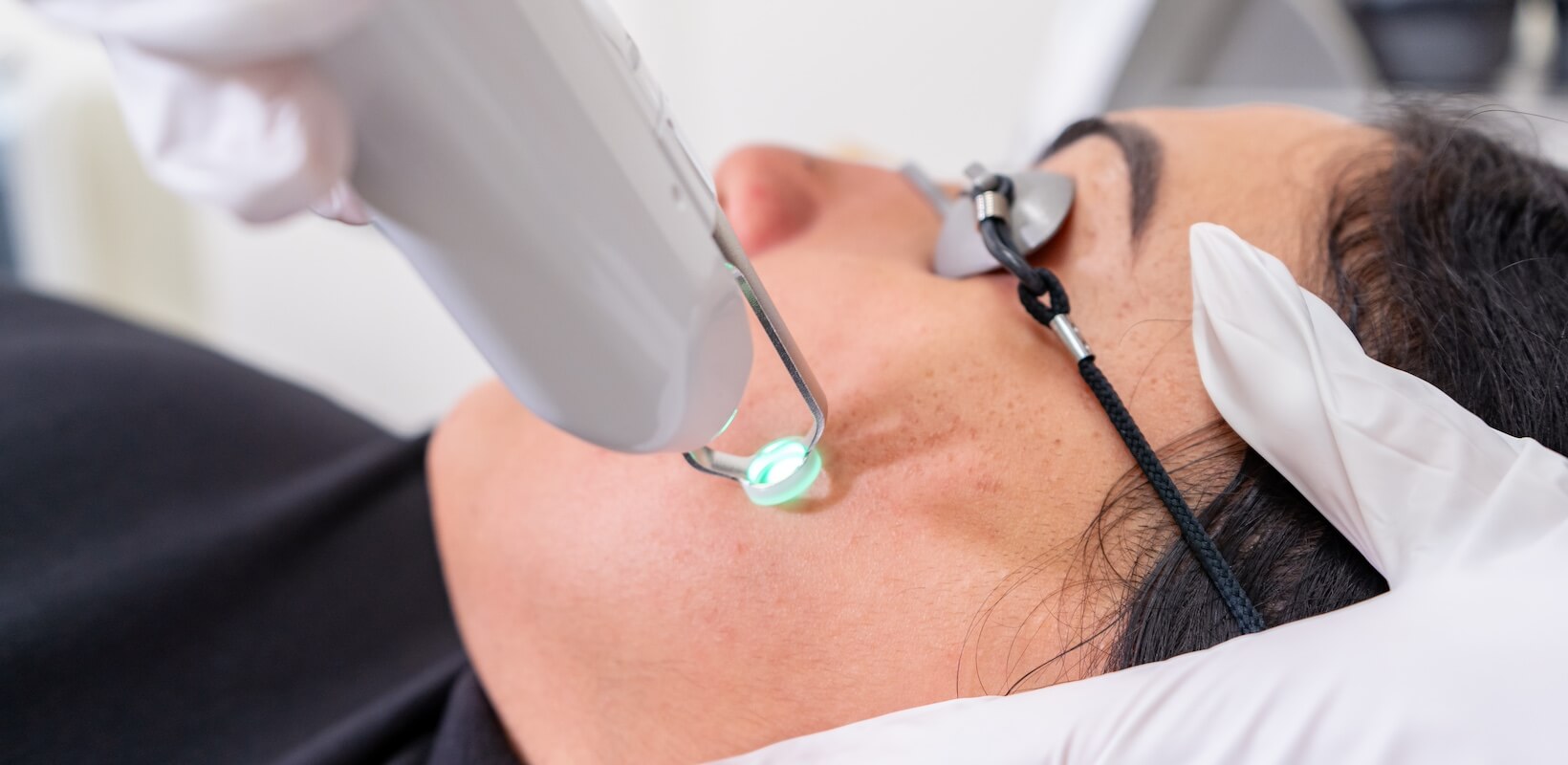
- Protective Measures: Eye protection is provided to shield against the laser light.
- Laser Application: The laser is carefully applied to the affected areas.
- Post-Treatment Care: Aftercare instructions are given to promote healing and prevent complications.
What to Expect After Treatment
After the treatment, patients might experience mild redness or swelling, similar to a sunburn. These symptoms usually subside within a few days. It’s crucial to follow all post-treatment care instructions provided by the skincare professional. The results can vary, but many individuals notice an improvement in their acne and skin texture after a few sessions.
Long-Term Results
While laser treatment can significantly reduce active acne, maintaining clear skin often requires ongoing skincare management. Patients are encouraged to adhere to a skincare routine tailored to their specific needs and to attend follow-up appointments as recommended.
Conclusion
Laser treatment for active acne offers a scientifically advanced option for those seeking alternative solutions beyond traditional acne treatments. By targeting the underlying causes of acne, laser therapy can provide lasting results and improve skin health. Consultation with a qualified skincare professional will ensure that this treatment aligns with an individual’s specific skin needs and health goals.