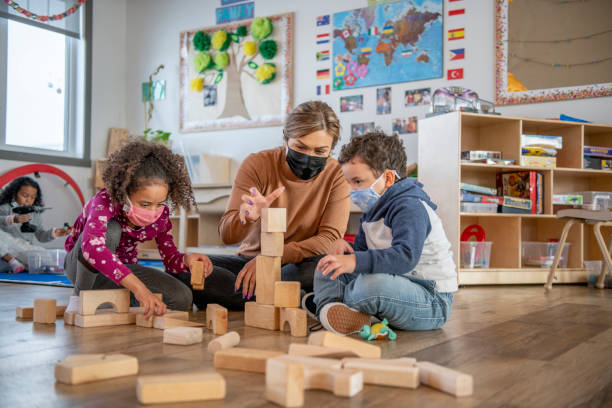
Training and development in the childcare sector hold significant importance, particularly for casual childcare staff who play a vital role in supporting the education and well-being of young children. With the growing demand for flexible childcare solutions, ensuring that casual staff are equipped with the necessary skills and knowledge is essential for maintaining high-quality care standards. This article explores key aspects of training and development tailored specifically for casual childcare personnel, focusing on best practices and effective strategies.
Understanding the Role of Casual Childcare Staff
Casual childcare staff provide critical support in various childcare settings, offering flexibility and adaptability. Their responsibilities may include:
- Supervising children during play and learning activities.
- Assisting in the implementation of daily schedules and routines.
- Supporting the emotional and social development of children.
- Communicating with parents and full-time staff to ensure seamless care.
Given these responsibilities, it becomes imperative for casual staff to receive comprehensive training that aligns with the standards expected in childcare centers. For more information on the role and responsibilities of casual childcare staff, explore relevant resources and guidelines.
Core Training Areas for Casual Staff
Child Development and Psychology
Understanding child development stages is crucial for casual staff to tailor their interactions and support according to each child’s needs. Training should cover:
- Basic principles of child development and age-specific milestones.
- Psychological theories related to early childhood education.
- Strategies for fostering cognitive and emotional growth.
Health and Safety Practices
Ensuring the safety and well-being of children is a fundamental aspect of childcare. Staff should be adept in:
- Emergency procedures and first aid training.
- Infection control and hygiene standards.
- Safe handling and supervision techniques.
Training programs should include practical exercises and assessments to ensure competency in these critical areas.
Effective Training Strategies
Blended Learning Approaches
A combination of online and in-person training can be effective in addressing diverse learning needs. Consider the following approaches:
- Online modules for theoretical knowledge, accessible anytime and anywhere.
- Hands-on workshops and simulations for practical skills.
- Mentorship and peer learning opportunities to foster collaboration.
Continuous Professional Development
Learning should be an ongoing process, with opportunities for casual staff to update and expand their skills regularly. This can include:
- Regular workshops and refresher courses.
- Access to current research and best practice guidelines.
- Participation in professional networks and forums.
By prioritizing continuous development, childcare staff can remain informed about the latest trends and techniques in early childhood education.
Benefits of Comprehensive Training
Robust training programs for casual childcare staff not only enhance individual capabilities but also contribute to the overall quality of childcare services. Benefits include:
- Increased confidence and competence in handling diverse childcare situations.
- Improved child safety and development outcomes.
- Higher job satisfaction and retention rates among staff.
Ultimately, well-trained staff are better equipped to create nurturing and stimulating environments that support children’s growth and learning.
In conclusion, investing in the training and development of casual childcare staff is essential for maintaining high standards in childcare services. By focusing on key training areas and employing effective strategies, childcare centers can ensure that their casual staff are prepared to meet the diverse needs of children, families, and the broader community.