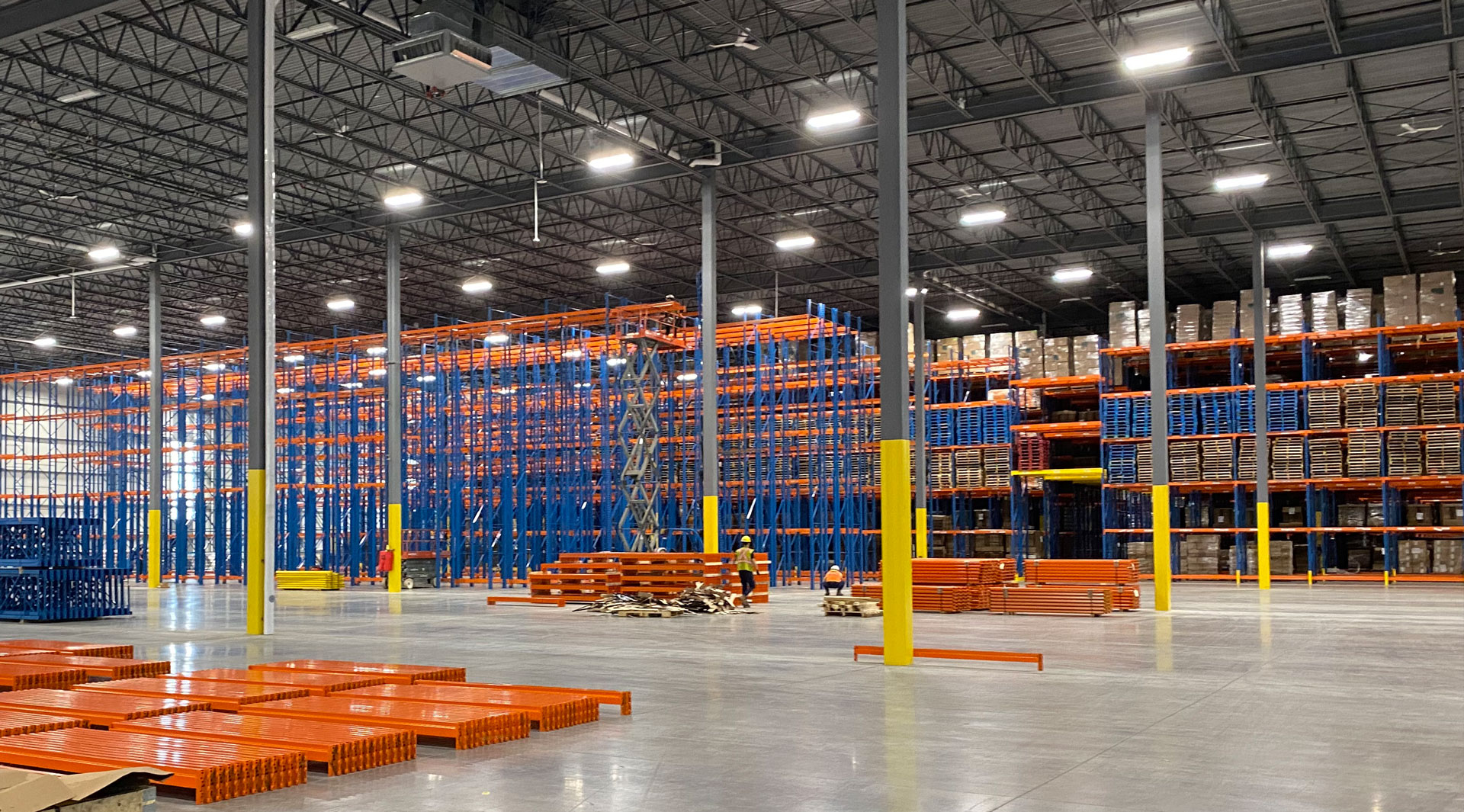
Transforming a warehouse space to achieve maximum efficiency and utility is a challenging but rewarding endeavor. Modern warehouses need to accommodate a variety of storage and handling needs, making adaptability a critical factor. Warehouse pallet racking systems offer a versatile solution that can be tailored to meet diverse requirements. These systems not only optimize storage capacity but also streamline operations and enhance safety. Understanding the different types of pallet racking and their applications can help businesses make informed decisions that align with their operational goals.
Understanding the Basics of Pallet Racking Systems
Pallet racking systems are designed to store materials on pallets, which are also known as “skids.” These systems are essential for any storage facility that requires efficient handling of large volumes of inventory. They offer several benefits, including:
- Maximized storage space by utilizing vertical stacking.
- Improved organization and inventory management.
- Enhanced accessibility and ease of handling materials.
- Increased safety by providing stable and secure storage.
For businesses seeking to optimize their warehouse storage, it is crucial to select the right type of pallet racking system. Explore advanced guides and tips to determine the most suitable option for specific needs.
Diverse Types of Pallet Racking Systems
Selective Pallet Racking
Selective pallet racking is the most common type, offering direct access to each pallet. It is ideal for warehouses that require a high degree of selectivity and quick access to inventory. This racking system is easily adjustable and can be configured to fit various pallet sizes.
Drive-In and Drive-Through Racking
These systems are designed for high-density storage and are perfect for facilities with large quantities of similar items. Drive-in racking allows forklifts to enter from one side to deposit or retrieve pallets, while drive-through racking provides access from both ends.
To understand whether these options are suitable for your warehouse, learn about our tailored solutions that can be customized to fit specific requirements.
Push Back Racking
This system allows for multiple pallets to be stored on a single lane, using a rolling mechanism. Push back racking is highly efficient for warehouses that manage a rotating inventory, as it operates on a Last-In-First-Out (LIFO) principle.
Pallet Flow Racking
Pallet flow racking, also known as gravity flow, uses inclined tracks with rollers for a First-In-First-Out (FIFO) system. This method is ideal for perishable goods and time-sensitive products, ensuring that older stock is always rotated out first.
For a deeper understanding of how these systems can be integrated into your operations, find out more about this approach.
Benefits of Implementing Pallet Racking Systems
Implementing an efficient pallet racking system can transform warehouse operations in several impactful ways:
- Increased storage density allows for more products to be stored within the same footprint.
- Improved productivity as inventory becomes more accessible, reducing retrieval times.
- Enhanced safety for both workers and stored materials, minimizing the risk of accidents.
- Flexibility and scalability to accommodate changing inventory demands.
To discover expert strategies here that enhance warehouse efficiency and safety, consider exploring more comprehensive resources.
Conclusion
Warehouse pallet racking systems are an indispensable component of modern storage solutions. They offer the flexibility and efficiency needed to adapt to various operational demands and optimize warehouse management. By selecting the right type of racking system, businesses can achieve a well-organized, safe, and productive storage environment. For those looking to transform their storage facilities, understanding the nuances of different racking systems and their applications is crucial. Explore advanced guides and tips to make informed decisions and enhance your warehouse operations.