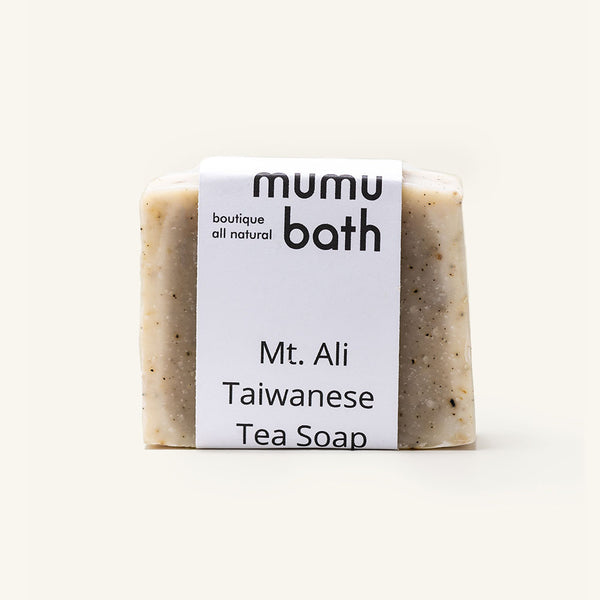
In recent years, the concept of sustainability has permeated various aspects of daily life, including personal care routines. As consumers become increasingly conscious of their environmental impact, they are turning towards eco-friendly products. Organic soap is gaining popularity as a sustainable choice for those looking to make environmentally responsible decisions in their daily hygiene practices. Embracing organic soap not only benefits the planet but also offers numerous advantages for personal health and well-being. This article explores why organic soap is the eco-friendly choice for your daily routine, highlighting its environmental benefits, health implications, and contributions to sustainable production practices.
Environmental Benefits of Organic Soap
One of the key reasons for choosing organic soap is its positive impact on the environment. Unlike conventional soaps, organic variants are crafted using natural ingredients that are biodegradable and free from harmful chemicals. This ensures that the soap breaks down naturally without leaving toxic residues in water systems.
- Biodegradability: Organic soaps decompose naturally, reducing pollution in water bodies and ensuring aquatic ecosystems remain healthy.
- Reduced Chemical Use: The absence of synthetic additives means less chemical runoff into the environment, minimizing soil and water contamination.
- Sustainable Ingredients: Ingredients are often sourced from sustainable farming practices, supporting biodiversity and reducing the carbon footprint associated with production.
Health Benefits of Organic Soap
Organic soap is not only eco-friendly but also beneficial for personal health. The natural ingredients used in these soaps are gentle on the skin and free from artificial fragrances and preservatives that can cause irritation and allergies.
- Gentle on Skin: Organic soaps are typically hypoallergenic, making them suitable for sensitive skin and reducing the risk of dermatological issues.
- Nutrient-Rich: Such soaps often contain natural oils and extracts that nourish and moisturize the skin, promoting a healthy complexion.
- Free from Toxins: The absence of harsh chemicals means a lower risk of skin irritations and allergic reactions.
Support for Sustainable Production
Choosing organic soap supports sustainable production practices that prioritize environmental and social responsibility. This commitment to sustainability is reflected in various aspects of the production process.
Ethical Sourcing
The ingredients used in organic soap are often sourced from ethical suppliers who practice fair trade and support local communities. This not only ensures the quality of the product but also contributes to the well-being of communities involved in the supply chain.
Environmentally Friendly Manufacturing
Manufacturers of organic soap typically employ eco-friendly practices, such as using renewable energy sources and minimizing waste during production. This approach reduces the overall environmental impact and supports a cleaner, greener planet.
Conclusion
Incorporating organic soap into daily hygiene routines is a simple yet effective way to make a positive impact on the environment while enjoying numerous health benefits. By choosing products made from natural, biodegradable ingredients, consumers contribute to a sustainable future and support ethical production practices. As awareness of environmental issues continues to grow, more individuals are expected to embrace organic soap as the eco-friendly choice for their daily routine. Making this switch not only enhances personal well-being but also fosters a more sustainable world.