Achieving noticeable muscle growth demands more than just consistent training and a balanced diet; the right supplementation can accelerate recovery, enhance protein synthesis, and improve overall performance. When science-backed nutrients are paired with proper programming, athletes and fitness enthusiasts can push past plateaus and maximize strength gains. This guide explores the most effective supplements for building muscle, explains how they work, and offers practical advice on dosing and timing, all while keeping safety and efficacy at the forefront.
Why Supplements Matter in a Muscle-Building Regimen
Even the most meticulously planned workout routine can be limited by nutritional gaps. Whole foods provide the foundation, but certain micronutrients and bioactive compounds are difficult to obtain in optimal amounts solely through diet. Targeted supplementation helps to:
- Fill macronutrient shortfalls, especially high-quality protein.
- Supply essential amino acids that trigger muscle protein synthesis.
- Reduce inflammation and speed up recovery between sessions.
- Support hormonal environments conducive to hypertrophy.
Core Supplements for Strength Gains
1. Whey Protein Isolate
Whey protein remains the gold standard for post-workout nutrition because it delivers a rapid influx of essential amino acids, particularly leucine, which directly activates the mTOR pathway, a key driver of muscle growth.
- Optimal dose: 20-30″?g within 30″?minutes after training.
- Key benefit: Fast absorption supports immediate protein synthesis.
- Consideration: Choose a low-lactose, high-purity isolate to minimize digestive discomfort.
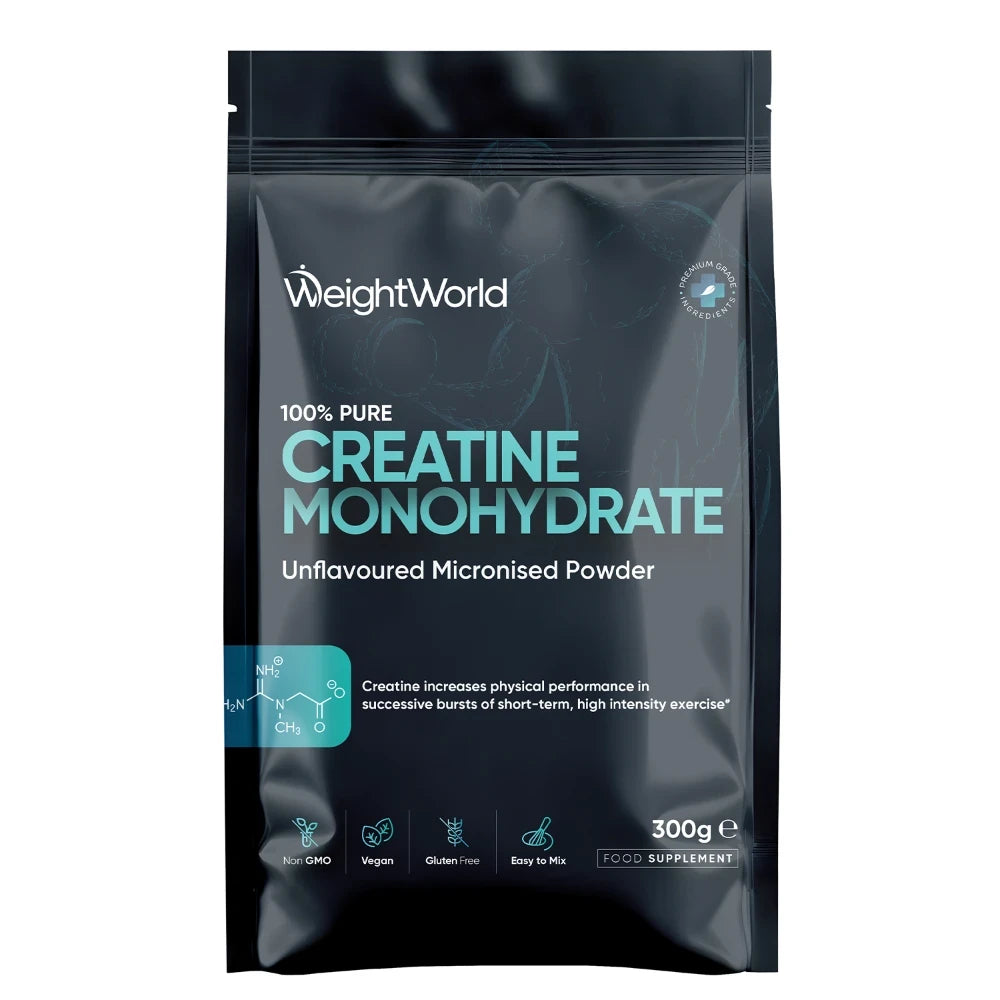
2. Creatine Monohydrate
Creatine is one of the most researched and effective ergogenic aids for increasing strength and lean mass. It replenishes ATP stores, allowing athletes to lift heavier loads and perform more repetitions.
- Loading phase (optional): 20″?g per day split into 4 doses for 5-7″?days.
- Maintenance dose: 3-5″?g daily, taken with any meal or shake.
- Safety profile: Well-tolerated when consumed with adequate hydration.
3. Beta-Alanine
By increasing intramuscular carnosine, beta-alanine buffers acidity during high-intensity efforts, delaying fatigue and enabling more total work per session.
- Effective dose: 2-5″?g per day, divided into smaller portions to avoid tingling sensations.
- Timing: Consistency matters more than timing; daily intake yields the best results.
4. Branched-Chain Amino Acids (BCAAs)
While whole-protein sources provide all essential amino acids, BCAAs, especially leucine, can be useful during prolonged training or calorie-restricted phases to preserve muscle tissue.
- Typical ratio: 2:1:1 (leucine:isoleucine:valine).
- Suggested intake: 5-10″?g before or during workouts.
Supporting Supplements for Optimal Recovery
5. Omega-3 Fatty Acids (EPA/DHA)
Omega-3s possess anti-inflammatory properties that can reduce delayed-onset muscle soreness (DOMS) and support joint health, allowing for more frequent training sessions.
- Daily dose: 1-3″?g of combined EPA and DHA.
- Source tip: Look for high-purity fish oil or algae-based alternatives for vegetarian athletes.
6. Vitamin D & Magnesium
Both micronutrients play crucial roles in muscle function and recovery. Deficiencies are common, especially in athletes training indoors.
- Vitamin D: 2000-4000″?IU daily, adjusted based on blood levels.
- Magnesium: 300-400″?mg of citrate or glycinate before bedtime to aid relaxation and sleep quality.
Choosing the Right Stack
Combining supplements strategically can amplify results, but it’s essential to avoid redundancy and excessive dosing. A practical stack for most lifters might include:
- Whey protein isolate post-workout.
- Creatine monohydrate taken daily.
- Beta-alanine split across meals.
- Omega-3 capsules with breakfast.
- Vitamin D and magnesium to support overall health.
When selecting products, prioritize those that undergo third-party testing for purity and label accuracy. Reputable sources often list the best muscle supplements in clear, transparent packaging, making it easier to verify potency.
Integrating Supplements into Your Nutrition Plan
Effective supplementation is not a standalone solution; it must complement a well-structured diet. Here are practical steps to ensure seamless integration:
- Meal timing: Align protein powders with meals that are lower in protein to meet daily targets.
- Caloric balance: Ensure total calorie intake supports your goal, surplus for bulk, slight deficit for lean gains.
- Hydration: Creatine and beta-alanine both benefit from adequate water consumption.
- Cycle when needed: While most supplements are safe for long-term use, some athletes cycle creatine or BCAAs during competition phases.
Safety, Side Effects, and Contraindications
All supplements carry the potential for adverse reactions, especially when taken in excess or combined with certain medications. General guidelines include:
- Consult a healthcare professional if you have kidney, liver, or cardiovascular conditions.
- Start with the lowest effective dose to assess tolerance.
- Monitor for gastrointestinal upset, especially with high-dose whey or beta-alanine.
- Maintain regular blood work if using high-dose vitamin D or creatine over extended periods.
Conclusion
Maximizing muscle gain hinges on a balanced approach that blends progressive resistance training, nutrient-dense foods, and evidence-based supplementation. By prioritizing high-quality whey protein, creatine monohydrate, and complementary nutrients such as beta-alanine, omega-3s, and essential vitamins, athletes can create a physiological environment primed for strength and hypertrophy. Remember that consistency, proper dosing, and individualized adjustments are the keys to long-term success. For those seeking the best supplements for building muscle, selecting products with transparent labeling and third-party verification will ensure both safety and optimal performance.