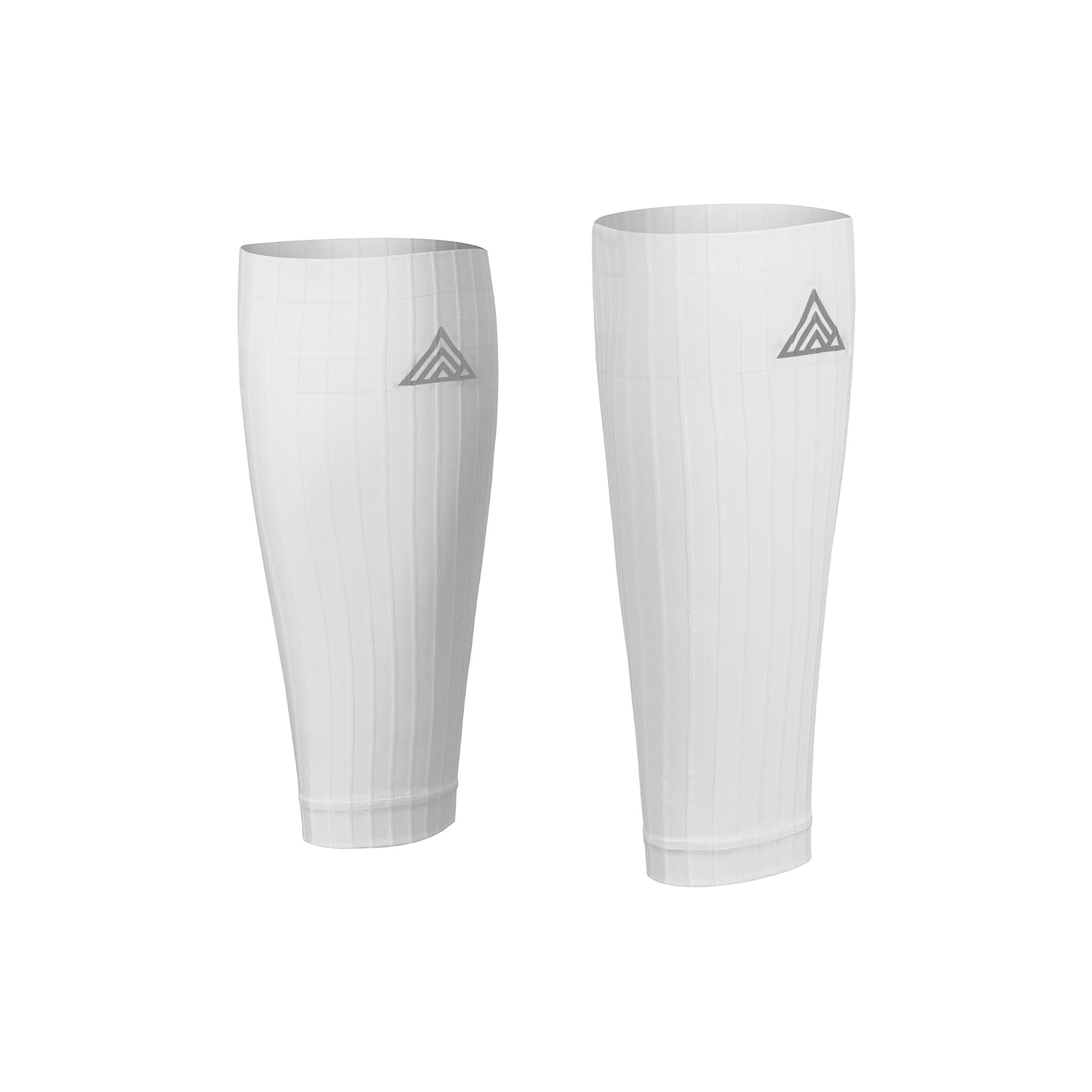
Choosing the right combination of aero overshoes and cycling overshoes can transform a ride, delivering smoother airflow, reduced drag, and a more comfortable pedaling experience. While the market offers a plethora of options, mastering the fit between these two components requires a clear understanding of shoe geometry, material compatibility, and personal riding style. This guide breaks down the essential considerations and provides actionable steps to ensure that the aero overshoes work harmoniously with your favorite cycling overshoes, helping you achieve optimal performance without compromising comfort.
Understanding the Core Principles of Aero Overshoes
Why Aerodynamics Matter
- Reduced wind resistance translates directly into lower power output needed to maintain speed.
- Improved airflow around the foot and ankle can decrease fatigue on long rides.
- Properly designed aero overshoes maintain a sleek profile without restricting ankle movement.
Material Compatibility
Most aero overshoes are constructed from low-drag fabrics such as Lycra blends, silicone-coated neoprene, or lightweight carbon-fiber panels. When pairing them with traditional cycling overshoes, verify that the inner lining is smooth enough to prevent chafing. A thin, moisture-wicking layer can act as a buffer, preserving the shoe’s shape while allowing the aero shell to sit snugly.
Step-by-Step Fitting Process
1. Measure Your Existing Overshoe
Start by measuring the length, width, and ankle circumference of your current cycling overshoes. Use a flexible tape measure and record the dimensions in centimeters. These numbers will serve as a baseline when selecting an aero overlay.
2. Choose the Correct Aero Overshoe Size
Most manufacturers provide a sizing chart that correlates foot length and ankle girth to the appropriate aero overshoe size. Compare your measurements against the chart, and when in doubt, opt for the slightly larger size to avoid compressing the underlying shoe.
3. Test the Fit Without Pedals
- Slide the aero overshoe over your cycling overshoe while standing.
- Check for any gaps along the sides or at the toe box.
- Ensure the heel pocket holds the shoe securely without excessive pressure.
4. Evaluate Flexibility and Range of Motion
Flex your ankle through its full range while the aero overshoe is on. The fit should feel supportive yet allow natural movement. If the overshoe restricts motion, consider a model with articulated panels or a slightly larger size.
5. Perform a Short Test Ride
Before committing to a long ride, take a 5-10 minute spin on a trainer or flat road. Pay attention to:
- Any rubbing or hot spots.
- Changes in pedal feel.
- Stability of the overshoe during aggressive pedaling.
Advanced Tips for Maximizing Performance
- Layering Strategy: Use a thin, anti-slip liner between the cycling overshoe and the aero shell to improve grip without adding bulk.
- Seam Placement: Opt for aero overshoes with seams positioned away from high-stress areas (e.g., lateral edges) to reduce friction.
- Ventilation Balance: Choose models that incorporate micro-ventilation zones, preserving aerodynamic shape while allowing moisture escape.
- Custom Taping: For a perfect seal, apply a low-profile, breathable tape along the inner edge of the aero overshoe.
Maintenance and Longevity
Proper care extends the life of both the aero overshoe and the underlying cycling overshoe. After each ride, rinse the outer shell with cool water, gently scrub any dirt, and let it air dry away from direct sunlight. Store the pair together to maintain shape, and periodically inspect seams for wear.
Where to Find High-Quality Aero Overshoes
For a curated selection of aero overshoes that meet the criteria outlined above, Discover expert strategies here. The collection emphasizes lightweight construction, precise fit, and compatibility with a wide range of cycling overshoes.
Additional Resources
To deepen understanding of fit techniques and material science, Learn about our tailored solutions. This resource provides detailed sizing guides, video demonstrations, and user testimonials that illustrate real-world applications.
For cyclists seeking a broader knowledge base, Explore advanced guides and tips covering topics such as wind tunnel testing, aerodynamic modeling, and race-day preparation.
Finally, if you wish to compare different brands or explore the latest innovations, Find out more about this approach. The curated lineup is regularly updated to reflect cutting-edge developments in aero technology.