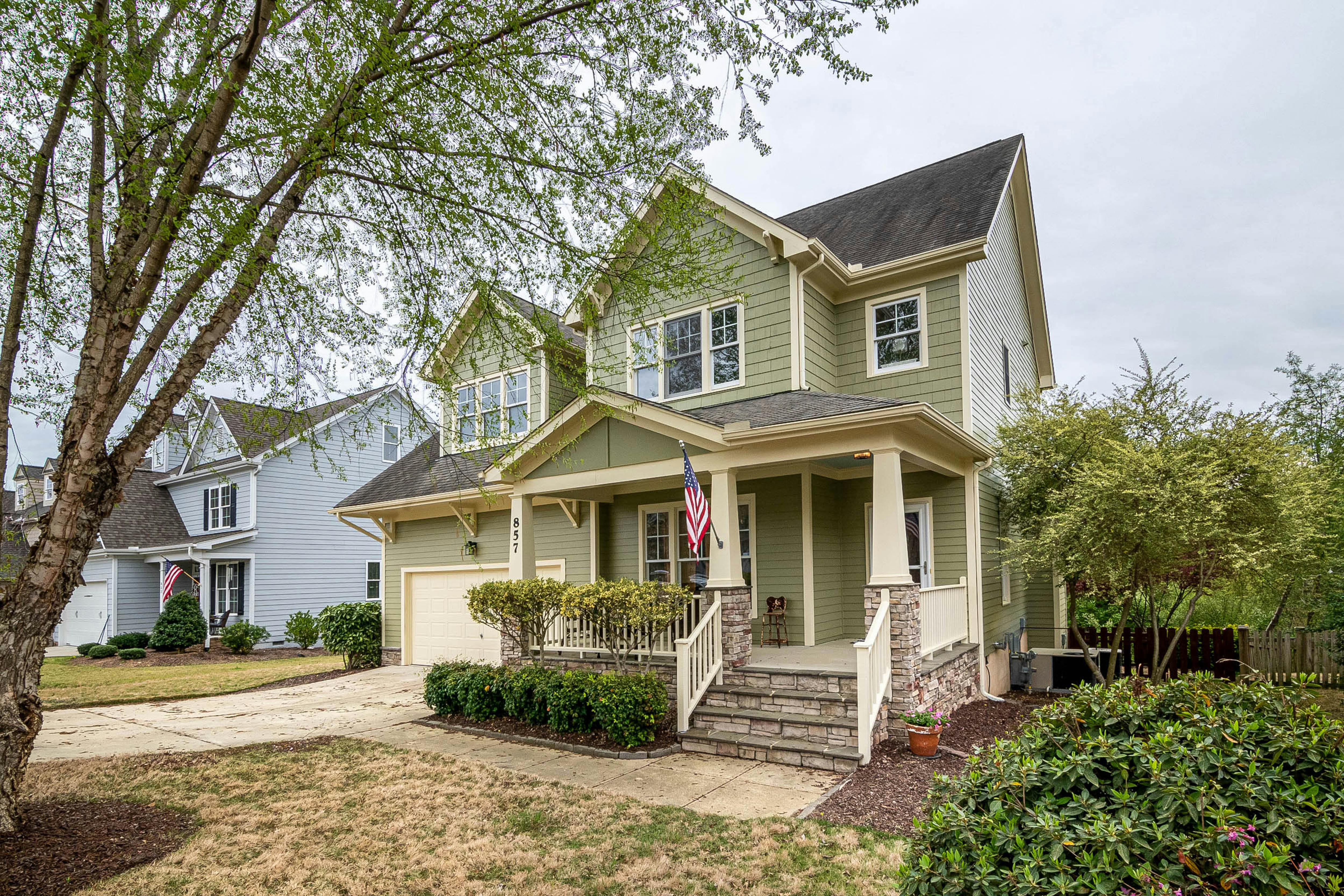
Investing in Upper East real estate offers a unique blend of historic charm, strong market fundamentals, and long-term appreciation potential. The neighborhood’s tree-lined streets, proximity to cultural institutions, and consistently high demand from families and professionals create a resilient environment for both first-time buyers and seasoned investors. This guide breaks down the critical factors to consider, from market trends and property types to financing strategies and risk mitigation, helping readers make informed decisions that align with their investment goals.
Understanding the Upper East Market Landscape
Current Market Trends
- Steady price growth of 3-5% annually over the past five years, outpacing many other Manhattan districts.
- Low vacancy rates, typically under 4%, indicating strong tenant demand.
- Increasing interest from international buyers seeking stable U.S. assets.
Key Drivers of Demand
- Proximity to world-class museums, parks, and premium schools.
- Robust public transportation options, including multiple subway lines and bus routes.
- High concentration of luxury retail and dining experiences that attract affluent renters.
Property Types and Investment Opportunities
Co-ops vs. Condominiums
Co-ops dominate the Upper East side, offering lower purchase prices but stricter board approvals and financing requirements. Condominiums, while fewer, provide greater flexibility for owners who wish to rent out units or sell without board constraints.
Single-Family Homes and Townhouses
- Ideal for families seeking private outdoor space and long-term stability.
- Often command premium rents due to limited supply.
- Potential for value-add renovations that increase both resale value and rental income.
Multi-Family Buildings
Small multi-family buildings (2-4 units) present an attractive entry point for investors looking to generate immediate cash flow while benefiting from appreciation. Larger buildings can be repositioned through strategic upgrades, but they require more capital and professional management.
Financing Strategies for Upper East Investments
- Traditional Mortgages: Most common for condos; lenders typically require a 20-25% down payment.
- Co-op Loans: Specialized financing with higher equity requirements, often 30% or more.
- Portfolio Loans: Useful for investors holding multiple properties, offering flexible underwriting.
- Bridge Financing: Short-term solution for acquiring a property before securing long-term funding.
Working with lenders experienced in New York City real estate can streamline the approval process and help secure favorable terms.
Risk Management and Due Diligence
Legal and Regulatory Considerations
- Review co-op board minutes for pending assessments or policy changes.
- Verify zoning restrictions that could affect future renovations or conversions.
- Understand rent-stabilization rules that may limit rent increases on certain units.
Physical Inspection Checklist
- Foundation and structural integrity, especially in older brownstones.
- Roof condition and drainage systems to prevent water intrusion.
- HVAC, electrical, and plumbing systems that may require upgrades to meet modern standards.
Long-Term Value Creation
Upper East real estate tends to retain its value due to limited supply and enduring desirability. Investors can enhance returns through:
- Strategic Renovations: Updating kitchens, bathrooms, and finishes to meet contemporary tastes.
- Energy Efficiency Improvements: Adding insulation, modern windows, or smart thermostats to lower operating costs.
- Professional Property Management: Maximizing occupancy and rent collection while maintaining tenant satisfaction.
Resources for Prospective Investors
For a deeper dive into market statistics, neighborhood demographics, and recent sales data, explore reputable sources that specialize in upper east real estate. These platforms provide tools for comparing property values, assessing rental yields, and tracking upcoming development projects that could influence future pricing dynamics.
Conclusion
Investing in the Upper East side demands a balanced approach that weighs historical performance, property-specific nuances, and strategic financing. By conducting thorough due diligence, leveraging appropriate financing options, and focusing on long-term value-add initiatives, investors can position themselves to benefit from one of Manhattan’s most stable and prestigious markets. The combination of cultural cachet, limited inventory, and sustained demand makes Upper East real estate a compelling addition to a diversified investment portfolio.