Building genuine strength goes far beyond lifting heavier weights; it requires a strategic approach to nutrition, recovery, and the supplements that support muscle growth. With countless products on the market, choosing the right supplement can feel overwhelming. This guide breaks down the essential categories, scientific considerations, and practical tips for selecting supplements that truly enhance performance, while keeping safety and efficacy at the forefront.
Understanding the Role of Supplements in Strength Training
Supplements are not a magic shortcut, but they can fill nutritional gaps, boost training capacity, and accelerate recovery when paired with a solid diet and program. The most effective products share three common traits:
- Evidence-based ingredients: Clinical studies support their impact on muscle protein synthesis, energy production, or recovery.
- Transparent labeling: Clear dosage information, third-party testing, and minimal filler content.
- Alignment with training goals: Formulations designed for strength, hypertrophy, or endurance, rather than a one-size-fits-all approach.
Core Supplement Categories for Strength Gains
1. Protein Powders
Protein is the building block of muscle. Whey isolate, micellar casein, and plant-based blends each serve specific purposes:
- Whey isolate: Fast-absorbing, ideal post-workout to kick-start muscle protein synthesis.
- Casein: Slow-digesting, perfect before sleep to sustain amino acid delivery overnight.
- Plant blends: Provide a complete amino acid profile for those avoiding dairy, often fortified with leucine.
When selecting a protein powder, look for a product that provides at least 20-30″?g of protein per serving with Discover expert strategies here for optimal timing.
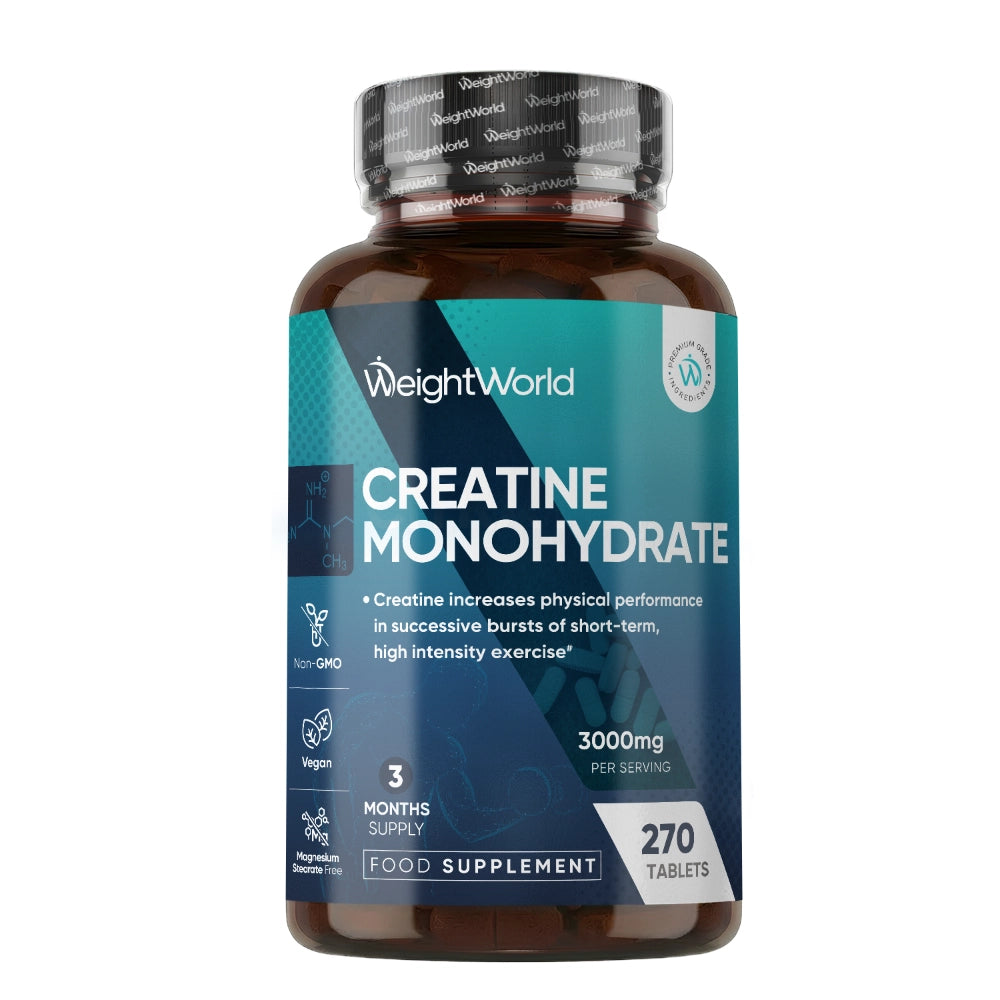
2. Creatine Monohydrate
Creatine is the most researched supplement for strength and power. It increases phosphocreatine stores, allowing athletes to produce more ATP during high-intensity efforts.
- Standard dosage: 5″?g daily, either as a single loading phase or continuous use.
- Benefits: 5-15″?% improvement in maximal strength, increased training volume, and enhanced muscle hydration.
- Safety: Well-tolerated for long-term use; maintain adequate water intake.
For a reliable source, Learn about our tailored solutions that meet purity standards.
3. Beta-Alanine
Beta-alanine buffers lactic acid, delaying fatigue during sets of 60-240 seconds. This can translate to more reps and greater time under tension.
- Effective dose: 2-5″?g per day, split into smaller servings to avoid paresthesia.
- Synergy: Works well with creatine for high-intensity training cycles.
4. Branched-Chain Amino Acids (BCAAs) & Essential Amino Acids (EAAs)
While whole-protein sources are preferred, BCAAs or EAAs can be useful during prolonged training sessions when food intake is limited.
- Leucine: The primary trigger for muscle protein synthesis; aim for 2-3″?g per serving.
- EAAs provide the full spectrum of amino acids, supporting recovery without the caloric load of protein powder.
Factors to Evaluate Before Purchasing
- Third-party testing: Look for certifications such as Informed-Sport or NSF to verify purity.
- Ingredient transparency: Avoid proprietary blends that hide exact dosages.
- Allergen considerations: Check for gluten, soy, or dairy if you have sensitivities.
- Cost per serving: Calculate value rather than focusing solely on price per container.
- Reputation of the manufacturer: Established brands with a history of scientific collaboration tend to produce more reliable products.
Integrating Supplements into a Strength Routine
Timing and consistency are as important as the supplement itself. Below is a practical schedule that aligns with typical training days:
| Time | Supplement | Purpose |
|---|---|---|
| Morning (fasted) | Creatine (5″?g) + Beta-alanine (2″?g) | Load muscles with phosphocreatine & buffer acidity |
| Pre-workout (30-45″?min) | Beta-alanine (2″?g) + Caffeine (optional) | Enhance focus and delay fatigue |
| Post-workout | Whey isolate (25-30″?g) + Creatine (if not taken earlier) + EAAs (5-10″?g) | Kick-start muscle protein synthesis & replenish creatine stores |
| Evening | Casein protein (20-25″?g) | Provide a steady amino acid supply overnight |
Adjust the schedule based on personal preferences and training frequency. For detailed protocols, Explore advanced guides and tips that cater to various experience levels.
Common Myths Debunked
- Myth: More supplement = faster results.
Fact: Excessive dosages can lead to diminishing returns and potential side effects. - Myth: All protein powders are equal.
Fact: Bioavailability, amino acid profile, and digestion rate vary significantly. - Myth: Creatine causes water retention only in the muscles.
Fact: While intracellular water increases, it does not cause bloating when taken correctly.
Final Thoughts
Choosing the right supplements is a nuanced process that blends scientific evidence, individual goals, and practical considerations. By focusing on proven ingredients, verifying product quality, and integrating supplements strategically within a well-structured training and nutrition plan, strength athletes can maximize gains while minimizing risk. For a curated selection of evidence-backed muscle-gaining products, Find out more about this approach and make informed decisions that support long-term performance.