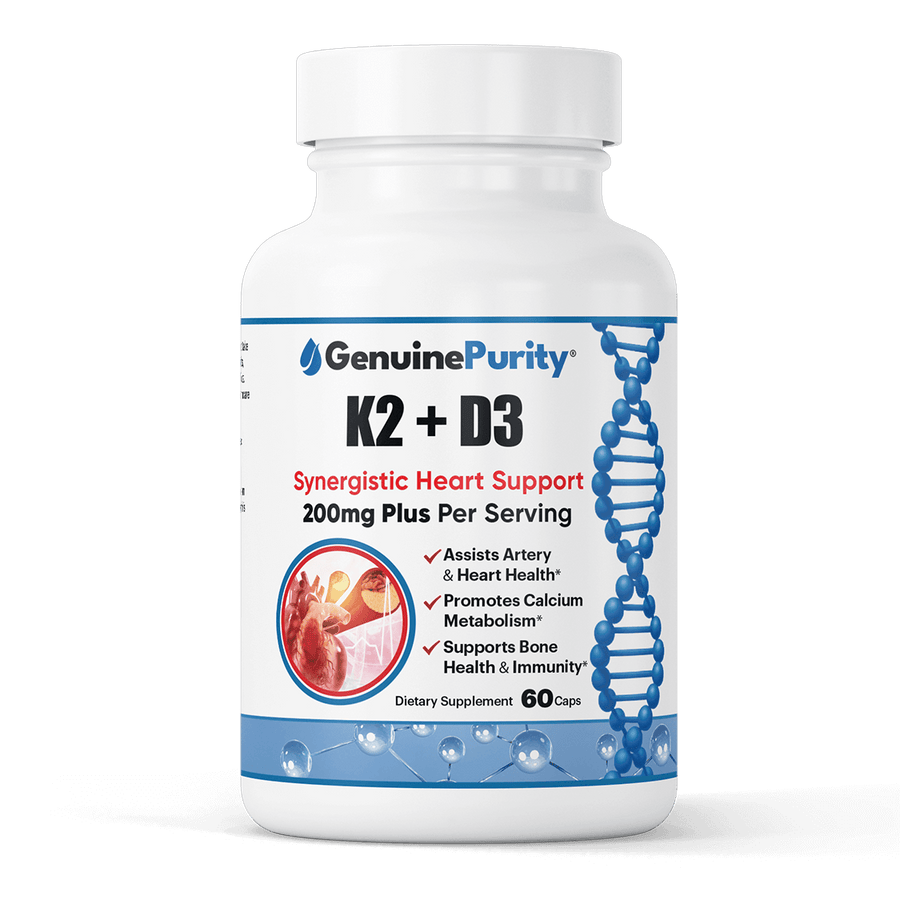
Vitamin D3 and K2 work together to support bone health, calcium metabolism, and cardiovascular function. When combined in a single, high-quality supplement, they provide a synergistic effect that maximizes absorption and utilization of calcium throughout the body. This guide outlines the science behind the D3-K2 pairing, key factors to consider when choosing a product, and practical tips for incorporating the supplement into a daily wellness routine.
Why Vitamin D3 and K2 Are a Powerful Duo
Both vitamins are fat-soluble, but they play distinct roles in calcium handling:
- Vitamin D3 (cholecalciferol) enhances intestinal absorption of calcium and phosphorus, raising serum calcium levels to support bone mineralization.
- Vitamin K2 (menaquinone-7) activates osteocalcin and matrix Gla-protein, directing calcium to bones and teeth while preventing its deposition in arteries and soft tissue.
The combined effect ensures that calcium is efficiently absorbed and correctly routed, reducing the risk of both osteoporosis and vascular calcification.
Key Criteria for Selecting a High-Quality D3-K2 Supplement
1. Potency and Ratio
- Clinical studies often use a 1000 IU (25″???g) dose of D3 paired with 100″???g of K2 (MK-7). This ratio provides optimal support without overwhelming the body.
- Look for products that disclose exact IU and ??g amounts on the label, ensuring consistent dosing.
2. Form of Vitamin K2
- Menaquinone-7 (MK-7) has a longer half-life than MK-4, offering steady blood levels with once-daily dosing.
- Products using fermented soy or natto sources often provide a natural, bioavailable MK-7.
3. Purity and Manufacturing Standards
- Third-party testing for contaminants (heavy metals, pesticides, and microbes) guarantees safety.
- GMP-certified facilities reduce the risk of cross-contamination and ensure label accuracy.
4. Delivery Format
- Softgels and oil-based capsules improve absorption of fat-soluble vitamins.
- Vegetarian or vegan capsules are available for those with dietary restrictions.
For a product that meets these standards, Discover expert strategies here and compare the formulation details against the criteria above.
How to Incorporate D3-K2 Into Your Daily Routine
- Take with a meal containing healthy fats (e.g., avocado, olive oil, nuts) to enhance absorption.
- Consistency is key, aim for the same time each day to maintain stable blood levels.
- Pair with calcium-rich foods (dairy, leafy greens, fortified plant milks) for synergistic benefits.
- Monitor blood levels of 25-hydroxyvitamin D and undercarboxylated osteocalcin if you have a medical condition that affects vitamin metabolism.
For a step-by-step plan, Learn about our tailored solutions that outline timing, dosage, and complementary nutrients.
Potential Interactions and Safety Considerations
While D3-K2 supplementation is generally safe for most adults, certain scenarios require caution:
- Blood thinners (e.g., warfarin): Vitamin K can affect clotting pathways; consult a healthcare professional before starting.
- Hypercalcemia: Individuals with elevated calcium levels should have serum calcium checked prior to supplementation.
- Pregnancy and lactation: D3 is essential, but dosing should follow medical guidance.
Professional guidance ensures the supplement supports health without unintended effects. For more nuanced advice, Explore advanced guides and tips that discuss contraindications and monitoring protocols.
Frequently Asked Questions
Can I take D3-K2 with other bone-support nutrients?
Yes. Magnesium, zinc, and vitamin C complement the D3-K2 pathway by supporting collagen formation and enzyme activity. Staggering magnesium intake (e.g., separate from D3-K2) can improve absorption of both.
How long does it take to see results?
Bone remodeling is a slow process; measurable improvements in bone density typically appear after 6-12 months of consistent supplementation combined with weight-bearing exercise.
Is a higher dose better?
Excessive vitamin D can lead to toxicity, while overly high K2 offers no additional benefit and may increase bleeding risk in susceptible individuals. Stick to evidence-based dosages unless directed otherwise by a clinician.
Conclusion: Making an Informed Choice
Selecting a vitamin D3-K2 supplement that aligns with scientific recommendations, purity standards, and personal dietary preferences is essential for optimal bone support. By focusing on potency, the MK-7 form of K2, third-party testing, and proper administration with dietary fats, the supplement can effectively enhance calcium utilization and protect vascular health.
For a product that embodies these principles, Find out more about this approach and consider integrating it into a comprehensive bone-health strategy that includes regular exercise, balanced nutrition, and routine medical check-ups.