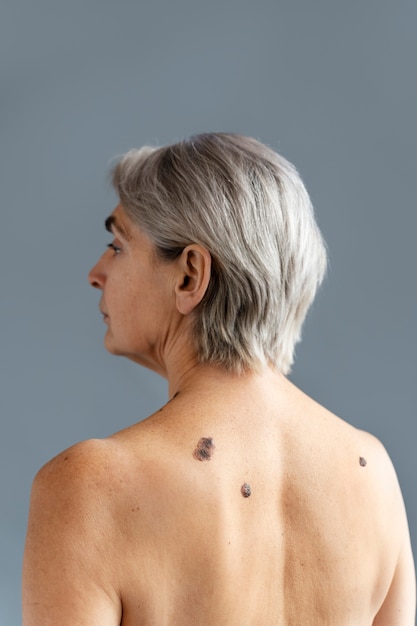
Skin cancer is the most common form of cancer, and it is on the rise globally. While it is a significant health concern, there are several ways to protect oneself from its harmful effects. General Practitioners (GPs) provide invaluable advice on how individuals can minimize their risk and maintain healthy skin. Understanding the causes and prevention strategies is essential for everyone, regardless of age or skin type.
Understanding Risk Factors
The first step in protecting against skin cancer is understanding the risk factors. These can include:
- Excessive exposure to ultraviolet (UV) rays from the sun or tanning beds.
- Having a fair complexion, which may burn or freckle easily.
- A family history of skin cancer, which can increase susceptibility.
- Frequent sunburns, especially during childhood.
By being aware of these factors, individuals can take proactive steps to mitigate their risk. For more on these and additional risk factors, explore advanced guides and tips.
Effective Prevention Strategies
Daily Sun Protection
Protection against harmful UV rays is crucial. Here are some expert-approved strategies:
- Use broad-spectrum sunscreen with an SPF of at least 30, and reapply every two hours, or more often if swimming or sweating.
- Wear protective clothing such as long-sleeved shirts, wide-brimmed hats, and sunglasses.
- Seek shade during peak sun intensity hours, typically between 10 a.m. and 4 p.m.
Discover expert strategies here for selecting the right sunscreen and protective gear.
Regular Skin Checks
Conducting regular skin self-examinations can aid in early detection. Key points include:
- Check for new or unusual moles or spots on the skin.
- Monitor changes in size, shape, or color of existing moles.
- Schedule regular check-ups with a dermatologist or GP for professional skin evaluations.
Learn about our tailored solutions for regular skin assessments.
Advanced Solutions and Treatments
For those at higher risk or with a history of skin cancer, advanced preventive measures and treatments are available:
- Cryotherapy to remove precancerous skin lesions.
- Laser therapy for precise removal of cancerous cells.
- Photodynamic therapy using light-sensitive medication to destroy cancerous tissues.
Find out more about this approach to treatment and prevention.
Lifestyle Adjustments
Adopting a lifestyle that prioritizes skin health can significantly reduce the risk of skin cancer:
- Maintain a balanced diet rich in antioxidants to support skin health.
- Stay hydrated to keep skin resilient and healthy.
- Avoid smoking as it can exacerbate skin damage and aging.
For comprehensive lifestyle guidance, explore advanced guides and tips.
By integrating these expert recommendations into daily routines, individuals can significantly reduce their risk of developing skin cancer. It is important to remain vigilant and proactive about skin health, consulting with healthcare professionals regularly to tailor prevention strategies to individual needs.